
Stem Cell Clinic, Kyiv
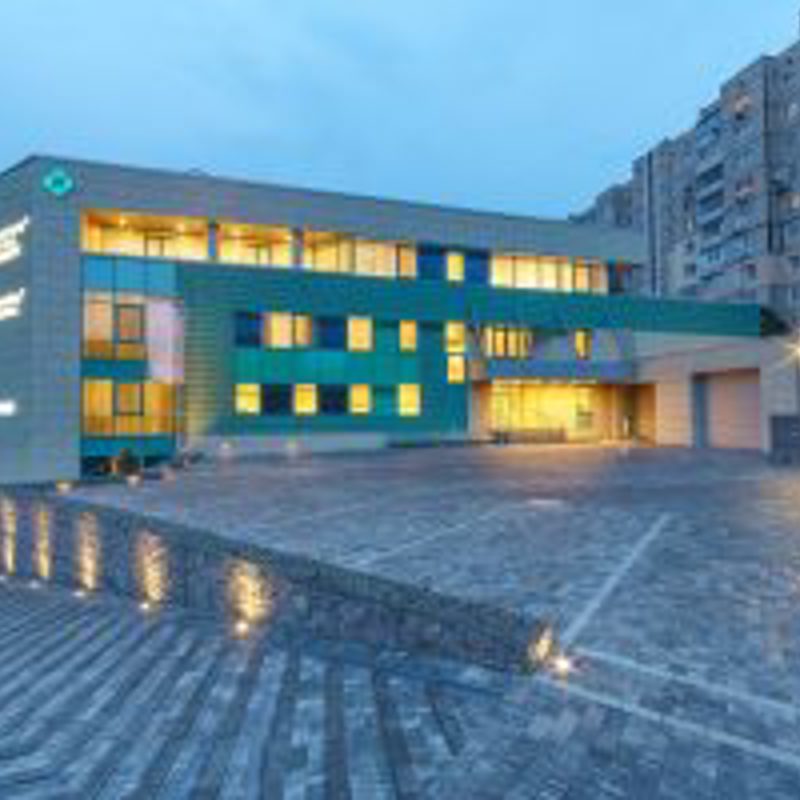
Stem Cell Clinic is associated with the Institute of Cell Therapy in Kyiv, Ukraine. Its official contact page lists two Kyiv locations: 3 Liubomyra Husara Avenue and 9 Mokra Street. The provider describes cell therapy programs supported by laboratory services and a cryobank.
These services need to be evaluated in relation to the particular cell product, proposed use and supporting evidence. The term stem cell therapy does not establish that a treatment is effective for a given condition. Before planning a consultation or procedure, clarify the exact location, the clinical purpose of the proposed program and its current regulatory status.
Clinic identity and proposed services
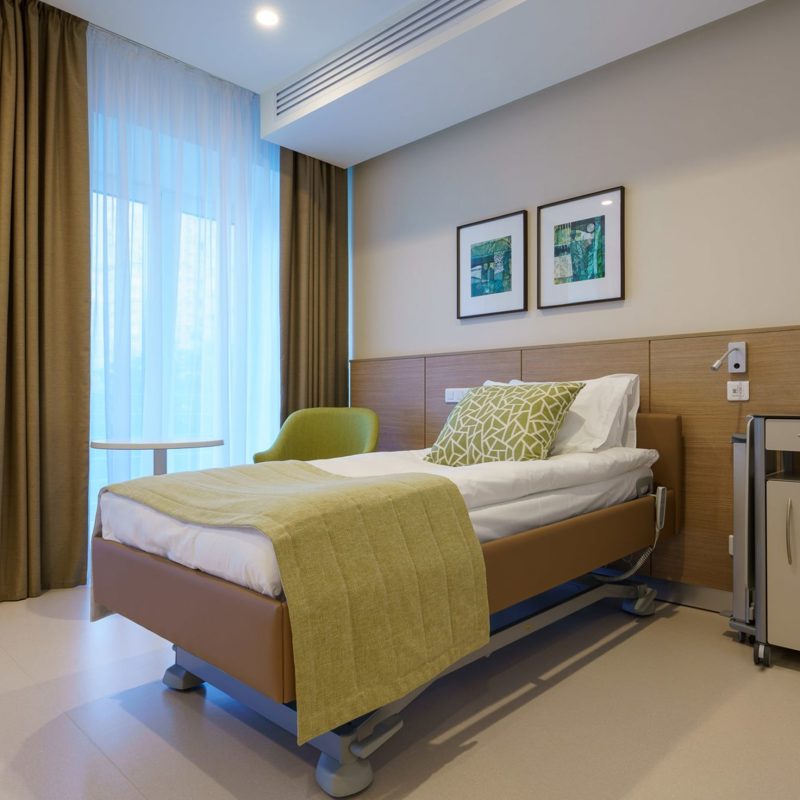
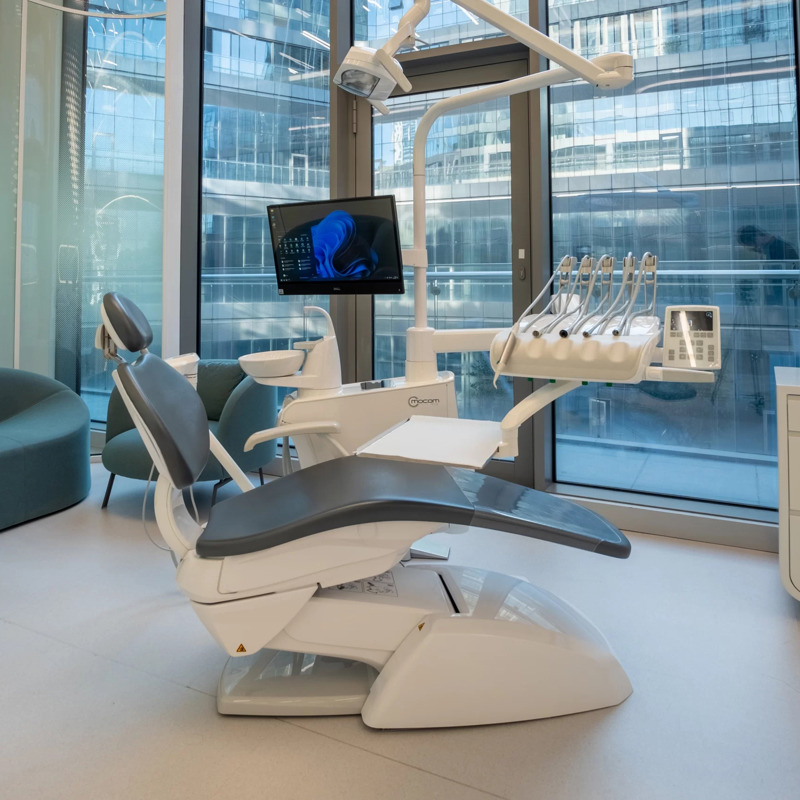
The Institute of Cell Therapy's website describes outpatient and inpatient care, diagnostic services, rehabilitation, cell preparation and cryostorage. It also lists a separate clinic in Tbilisi, Georgia. This profile concerns the Kyiv locations; confirm which site and legal provider would deliver each part of a proposed program.
Request a written description of the cells to be used, their source, how they are processed, the route of administration and the intended clinical goal. Claims about patents, laboratory standards or quality-management certification do not, by themselves, demonstrate that a particular treatment benefits patients.
Evidence and authorization
Blood-forming stem-cell transplantation is an established treatment for certain blood cancers and other blood disorders. It is a specific medical procedure with defined indications, not evidence that other cell infusions can repair every type of damaged tissue. This profile does not establish that the Kyiv clinic provides a hematopoietic transplant service.
Many other marketed regenerative applications remain investigational or unproven. For a proposed program involving diabetes, stroke recovery or anti-aging, ask for clinical evidence concerning that exact product and condition, including published results and known uncertainties. An independent specialist can help assess the evidence and established alternatives.
Obtain documentary confirmation of authorization for the specific proposed use from the relevant national regulator. If treatment is offered as research, request the study protocol, regulatory and ethics approvals, eligibility criteria and consent documents. A trial-registry listing alone does not prove authorization or effectiveness. The ISSCR patient guide explains these distinctions.
Risks, costs and continuing care
Cell-based procedures can cause harm, including infection, immune reactions and abnormal tissue growth, depending on the product and procedure. Using a patient's own cells does not remove all risk. Ask how adverse events are managed and how long-term monitoring is arranged.
Before making commitments, request an itemized quotation, cancellation terms, a follow-up plan and emergency contact details. Clarify who remains responsible for care after returning home and how records will reach the usual treating team. Existing treatment should be reviewed with that team rather than changed on the strength of promotional claims.
