
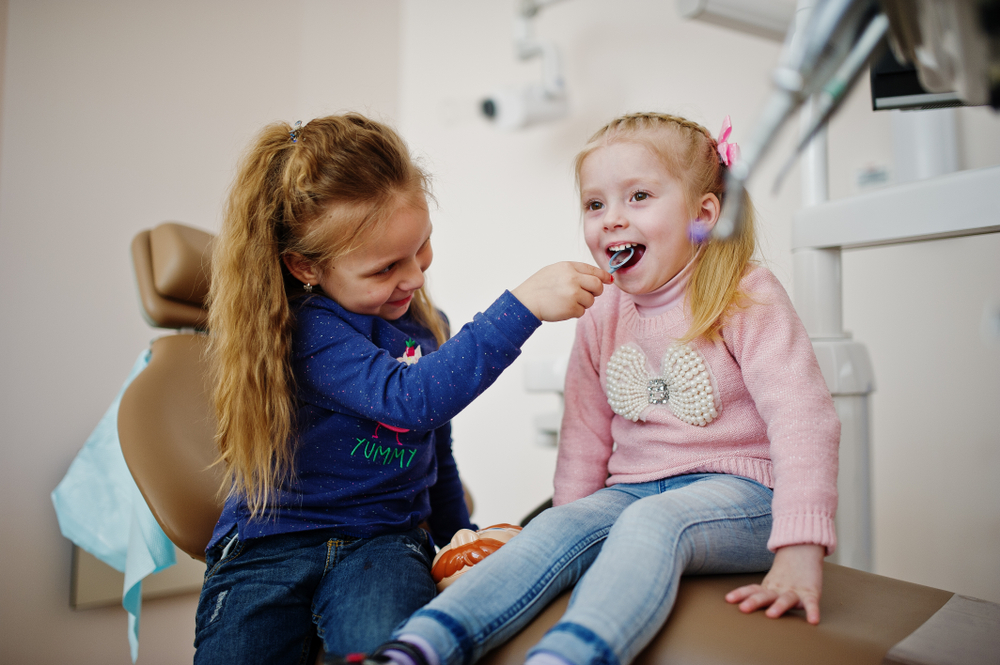
Treatment for children in Israel: which diagnoses families most often travel with, how paediatric departments are organised, how the diagnosis is reviewed and a plan is drawn up, what to prepare and what to ask the clinic in advance.
When families consider treatment in Israel
Parents usually look for a clinic abroad in three situations: the diagnosis remains unclear, the child needs complex treatment that is not available at home, or the family wants a second opinion before surgery or chemotherapy. In large Israeli hospitals paediatric departments work as separate centres: children are seen by paediatric subspecialists, paediatric anaesthetists, nurses and psychologists, and one parent normally stays with the child throughout treatment.
Main areas of paediatric care
Oncology and haematology
Paediatric oncology teams treat leukaemia, lymphoma, brain tumours, neuroblastoma, Ewing sarcoma and other solid tumours. Treatment is planned by a multidisciplinary team following international protocols; some children need a transplant, which is covered in our article on bone marrow transplant cost. Non-malignant blood disorders are managed by haematology.
Neurosurgery and neurology
Neurosurgeons operate on brain tumours, hydrocephalus and spinal malformations and perform epilepsy surgery when medication does not control seizures. Before such a decision the child has an extended work-up, including long-term video-EEG monitoring.
Cardiology and cardiac surgery
Congenital heart defects are treated with open surgery or catheter-based procedures. The scope and timing depend on the type of defect and the child's age.
Orthopaedics, endocrinology and other specialties
Common reasons for referral include scoliosis and limb deformities, type 1 diabetes and growth disorders, and kidney, digestive, eye and ENT conditions. Hospitals also have dedicated paediatric and neonatal intensive care units.
How diagnosis is organised
The first step is usually remote: doctors review reports, scans and pathology results and say whether travelling makes sense and which tests will be needed. On site, pathology slides and MRI or CT scans are often re-read, which sometimes changes the diagnosis or stage. The team then agrees a treatment plan and explains it to the parents. Tests under anaesthesia are ordered only when they cannot be avoided.
Development and mental health
Children with autism spectrum disorder, developmental delay, learning difficulties, anxiety or depression need long-term work with specialists. In Israel a family can obtain an assessment and recommendations, but therapy itself works best in the child's own language and where the family lives. Check in advance which language the assessment will be carried out in.
What to prepare before the trip
- medical reports, operation notes, test results and imaging on discs;
- pathology slides and blocks if a biopsy was taken;
- a list of medicines with doses and the vaccination record;
- English translations of the key documents;
- travel documents for the child and the accompanying adult, plus consent from the other parent where exit rules require it.
Ask the clinic how long the first stage will take, whether treatment can continue at home under an agreed protocol and who will answer questions after you return. Request a written estimate listing what is included; accommodation, interpreting and transfers may be charged separately.
Frequently asked questions
Can a parent stay with the child in hospital?
Yes, this is standard practice in paediatric departments, including during admission.
Do we have to travel to get a second opinion?
No. A review of documents, scans and pathology is often possible remotely.
Can treatment continue at home?
Part of the course, such as maintenance chemotherapy or rehabilitation, can sometimes be given locally if the doctors agree on the protocol and monitoring.
Does the clinic guarantee the result?
No. The outlook depends on the diagnosis, stage and response to treatment; a responsible clinic explains the chances and risks rather than promising a cure.
Need advice on treatment for a child abroad? Send a request and Clinics Direct medical coordinators will help you choose a clinic and find out the cost of tests and treatment free of charge.
