
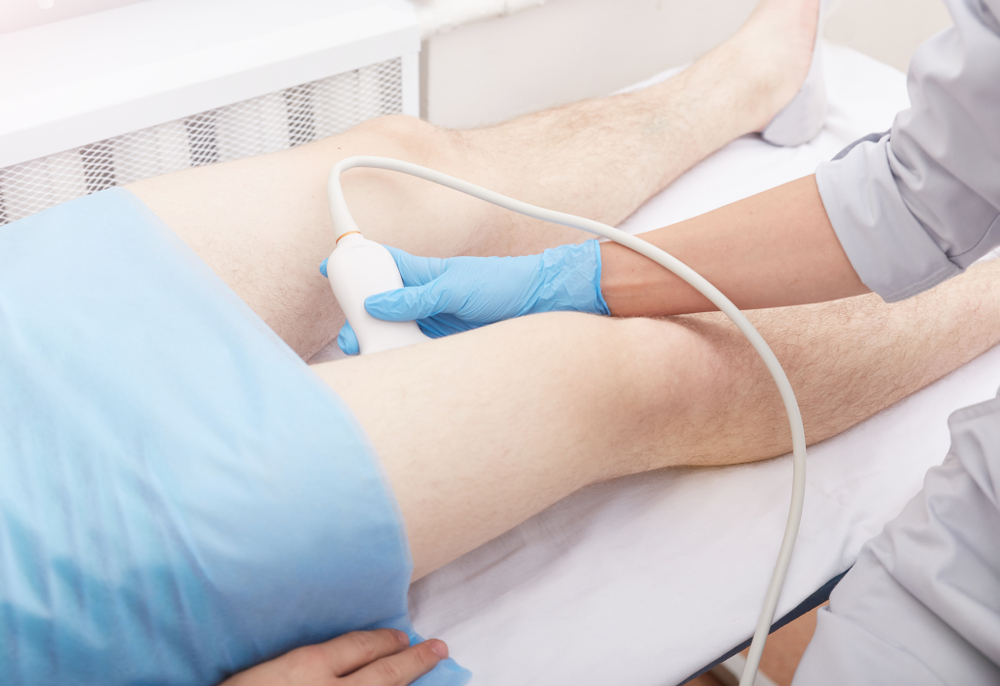
3D vascular ultrasound makes it possible to quantify the presence and extent of cholesterol plaques. The HM CIEC integrated cardiovascular centre in Madrid was the first in Spain to open a 3D cardiovascular prevention clinic.
- Knowing your risk factors and the damage they have already done to the arteries is essential for preventing cardiovascular disease.
- 3D vascular ultrasound is part of the prevention consultation itself, needs no preparation and has no contraindications.
- Up to 80% of deaths from cardiovascular disease could be prevented by a healthy lifestyle and good control of risk factors.
The HM CIEC integrated cardiovascular centre, based at HM Montepríncipe University Hospital in Madrid, opened a 3D cardiovascular prevention clinic in January 2019, the first in Spain and one of only a few in the world. Its distinctive tool is three-dimensional vascular ultrasound, which, in the words of Dr Beatriz López Melgar, who leads the clinic, makes it possible to include the carotid and femoral arteries in the assessment of cardiovascular health.
Cardiovascular disease remains the leading cause of death worldwide. In Spain it accounts for about 30% of deaths, and most of them could be prevented.
What 3D vascular ultrasound shows
The method quantifies the volume of cholesterol plaque, the overall “burden” of atherosclerosis that has built up in the arteries as a result of risk factors and unhealthy habits. It is a non-invasive examination of the superficial arteries that detects changes from the first thickening of the vessel wall to late stages of the disease. Beyond volume, it assesses the extent, severity and composition of plaques in three dimensions. According to Dr López Melgar, this allows a more accurate estimate of the real risk of a future cardiovascular event and supports effective decisions on prevention.
Individual cardiovascular risk
Risk is usually estimated from classic factors such as high blood pressure, high cholesterol and diabetes, and from habits such as smoking, inactivity and excess weight. At the individual level this prediction is not precise enough: with the same factors, risk differs from person to person. That is why it helps to look at atherosclerosis itself, and 3D ultrasound provides more information and greater accuracy than conventional methods.
The consultation is intended mainly for people with risk factors: men from the age of 40, women from 50 or after the menopause, and those with a family history of early heart attack or stroke. It is also recommended in conditions that promote early atherosclerosis, such as familial dyslipidaemia and rheumatological or chronic inflammatory diseases.
A disease without symptoms
Plaques form without symptoms, so early detection matters: it helps stop progression before an artery becomes blocked. Traditionally only the carotid arteries in the neck were examined. However, the PESA study (Progression of Early Subclinical Atherosclerosis), run by Spain's National Centre for Cardiovascular Research under Dr Valentín Fuster with the participation of HM Hospitales cardiologists, showed the value of examining the femoral arteries as well, which complements carotid assessment in the early stages of atherosclerosis.
What patients should know
Finding plaques does not mean a heart attack is inevitable, and their absence does not remove the need to control blood pressure, cholesterol and blood sugar. The doctor interprets the ultrasound together with blood tests and other findings and decides on that basis whether lifestyle changes are enough or medication is needed.
HM Hospitales
HM Hospitales is a Spanish private hospital group that combines patient care with research, teaching and technological innovation. The group is led by doctors and includes hospitals, outpatient clinics and specialised centres for oncology, cardiology, neuroscience and fertility that work in a coordinated way.
Would you like a cardiology check-up in Spain? Send a request and Clinics Direct medical coordinators will find out the cost and help arrange the visit free of charge.
