
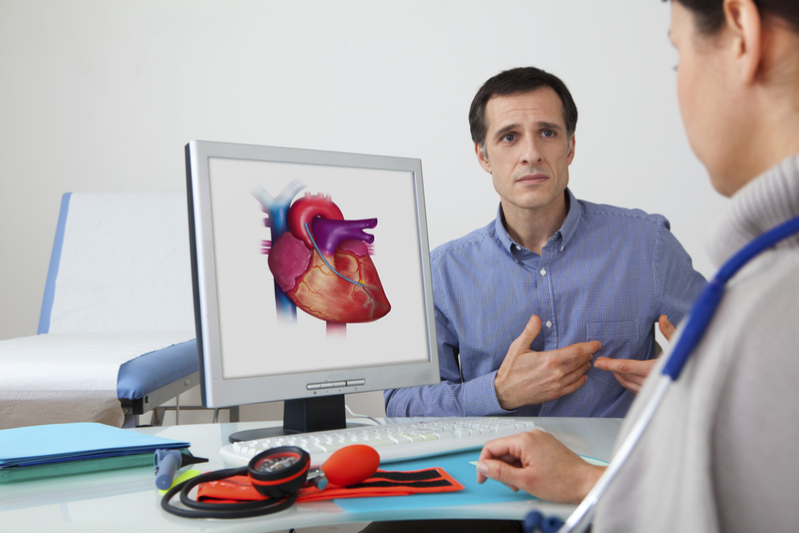
Cardiology in Israel: which heart conditions patients come with, which tests are done, when stenting is enough and when bypass surgery or valve replacement is needed, and what to ask a clinic before you travel.
Heart conditions treated
Cardiology and cardiac surgery departments in Israel see patients with:
- coronary artery disease and angina;
- rhythm disorders, including atrial fibrillation;
- valve disease, either stenosis or regurgitation;
- heart failure and cardiomyopathies;
- aortic aneurysm;
- congenital heart defects in children and adults.
The most common cause is atherosclerosis: plaques build up in the artery walls over years and narrow the vessels. If a plaque ruptures and a clot forms, a heart attack follows. Smoking, high blood pressure, raised cholesterol, diabetes, excess weight and a sedentary lifestyle increase the risk.
When emergency care is needed
Crushing chest pain lasting more than 15–20 minutes and spreading to the arm, neck or jaw, sudden breathlessness, a cold sweat or fainting are reasons to call an ambulance where you are. Travel abroad is planned only for elective assessment and treatment in a stable condition.
Diagnosis
- ECG, 24-hour Holter monitoring and exercise testing;
- echocardiography, with stress or transoesophageal echo where needed;
- CT coronary angiography, a non-invasive view of the heart's arteries;
- coronary angiography (catheterisation), which pinpoints narrowings and allows a stent to be placed in the same session;
- cardiac MRI and electrophysiology studies when indicated.
Treatment methods
Coronary stenting
Through a puncture in an artery of the wrist or groin, the narrowed segment is widened with a balloon and a stent is placed. The hospital stay is usually one to two days.
Coronary artery bypass grafting
Coronary artery bypass grafting creates a route for blood around a narrowed artery. It is preferred when several vessels or the left main artery are affected, especially in patients with diabetes. The choice between stenting and bypass is made by a heart team, the cardiologist and the cardiac surgeon together.
Valve treatment
A valve is repaired or replaced with a mechanical or biological prosthesis. Some patients with aortic stenosis are suitable for transcatheter aortic valve implantation (TAVI) without opening the chest, and some with mitral regurgitation for catheter-based repair.
Arrhythmia treatment
Catheter ablation removes the source of an abnormal rhythm; a pacemaker is fitted for a slow heartbeat, and a defibrillator when there is a risk of life-threatening arrhythmias.
Every procedure carries risks: bleeding, infection, stroke and rhythm disturbances. The doctor should explain how likely they are in your case before the operation. Medication, control of blood pressure and cholesterol, and stopping smoking remain necessary even after a successful procedure.
Planning treatment in Israel
Send the clinic your reports, ECGs, echo results and the angiography disc if one has been done; this helps avoid repeat tests. Check whether you are fit to fly in your current condition and how soon after the procedure you may return: usually a few days after stenting and two to three weeks after open surgery. Ask for a written estimate listing what is included: implants (stents, valves), intensive care, hospital days and cardiac rehabilitation are often charged separately.
Frequently asked questions
Which is better, stenting or bypass surgery?
There is no universal answer: the choice depends on the number and location of narrowings, heart function and other conditions.
Can open valve surgery be avoided?
Sometimes. Catheter-based methods suit some patients; the heart team decides after the work-up.
How long does a heart check-up take?
A basic assessment takes one to two days, slightly longer if angiography or additional tests are needed.
Do I need medication after stenting?
Yes. Drugs that prevent clotting inside the stent are taken as prescribed and must not be stopped on your own.
Need a heart check-up or treatment abroad? Send a request and Clinics Direct medical coordinators will help you choose a clinic and find out the cost of tests and treatment free of charge.
