
Bone marrow transplant abroad: when it is needed, who can be a donor, how preparation, cell collection and the transplant itself are done, how long recovery takes and what the cost of treatment depends on.
When a transplant is needed
Bone marrow produces all blood cells and the cells of the immune system. A bone marrow transplant (haematopoietic stem cell transplant) is performed only for strict indications:
- acute and chronic leukemias;
- lymphomas, including relapsed Hodgkin lymphoma, and multiple myeloma;
- aplastic anaemia;
- severe inherited immune deficiencies and blood disorders;
- certain childhood tumours and some autoimmune diseases.
For relapsed Hodgkin lymphoma, high-dose chemotherapy with a transplant of the patient's own cells is the standard. Leukemias more often require donor cells; read about diagnosis in the article Blood tests in leukemia.
Types of transplant
- Autologous. The patient receives their own stem cells, collected during remission. They restore blood formation after high-dose chemotherapy.
- Allogeneic. Cells come from a donor — a brother or sister, an unrelated donor from a registry or a half-matched relative. Donor and patient must be HLA-compatible, otherwise the risk of rejection and severe immune complications rises.
Donor requirements
A donor can be a healthy person aged 18 to 55 who has not had cancer, tuberculosis, malaria or hepatitis B or C and is not infected with HIV. Before donation the donor is examined and tested for compatibility with the patient.
How to arrange a transplant abroad
- Contact Clinics Direct medical coordinators through the form on the website or by phone and describe the diagnosis.
- Send your medical reports and test results — they are used to choose a clinic.
- We translate the documents and pass them to the clinic's doctor, who prepares an individual treatment plan and a cost estimate.
Autologous and allogeneic transplants are performed in clinics in Germany, Austria, Turkey, Israel, Spain and South Korea — see the haematology-oncology section.
Preparing the patient
Once a donor is chosen, the patient undergoes conditioning: chemotherapy, sometimes with radiation, destroys the diseased bone marrow and suppresses the immune system to reduce the risk of rejecting the donor cells.
Cell collection and the transplant
- Collection from the blood. For several days the donor receives a drug that moves stem cells into the bloodstream; they are then separated on an apheresis machine. The procedure resembles dialysis and needs no anaesthesia.
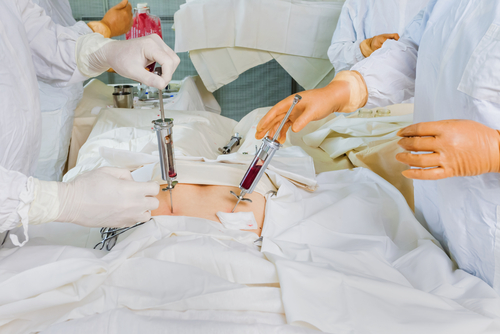
- Collection from the pelvic bone. Done under general anaesthesia and takes about two hours; no more than 5% of the donor's marrow is taken.
- Infusion. The cells are infused into a vein; they find their way to the bone marrow and start producing new blood cells within 2–4 weeks.
Children have the same procedure, supervised by paediatric haematologist-oncologists. The cells can come from a brother or sister, a parent, an unrelated donor or cord blood. More about the procedure and complications is in the article Bone marrow transplant: answers to common questions.
Recovery
Recovery after a transplant is long. Blood counts return to normal within a few weeks, while the immune system takes from six months to two years to recover. Throughout this time, infection prevention, regular blood tests and limited contacts are needed; heavy physical exertion should be avoided during the first year. Psychological support matters too — it helps to cope with the fear of relapse.
After collection from the pelvic bone, the donor feels pain at the puncture site for a few days, which is relieved by ordinary painkillers. The donor's bone marrow recovers fully within a few weeks.
What the cost of a transplant depends on
- Type of transplant and donor. An autologous transplant is the least expensive; a transplant from an unrelated or half-matched donor costs several times more because of the international registry search and cell delivery.
- Diagnosis and condition of the patient. They determine the conditioning regimen and the length of the hospital stay.
- Urgency. An urgent transplant costs more.
- Country and clinic. Clinics in Turkey offer the most affordable programmes; Germany and Israel are the most expensive.
The estimate usually covers compatibility testing of the patient and donor, conditioning, cell collection, the transplant itself and the hospital stay; accommodation for accompanying persons is calculated separately. Approximate prices by country are in the article Bone marrow transplant abroad: cost, types and clinics.
To receive a treatment plan with an exact cost, send a request — Clinics Direct coordinators will help you choose a clinic and organise the trip, free of charge.
