
A bone marrow transplant (BMT) offers a chance of cure in leukemia, lymphoma and myeloma. We explain the types of transplant, how it is done, how much it costs in Germany, Israel, Turkey, South Korea and India, and how to choose a clinic.
What is a bone marrow transplant
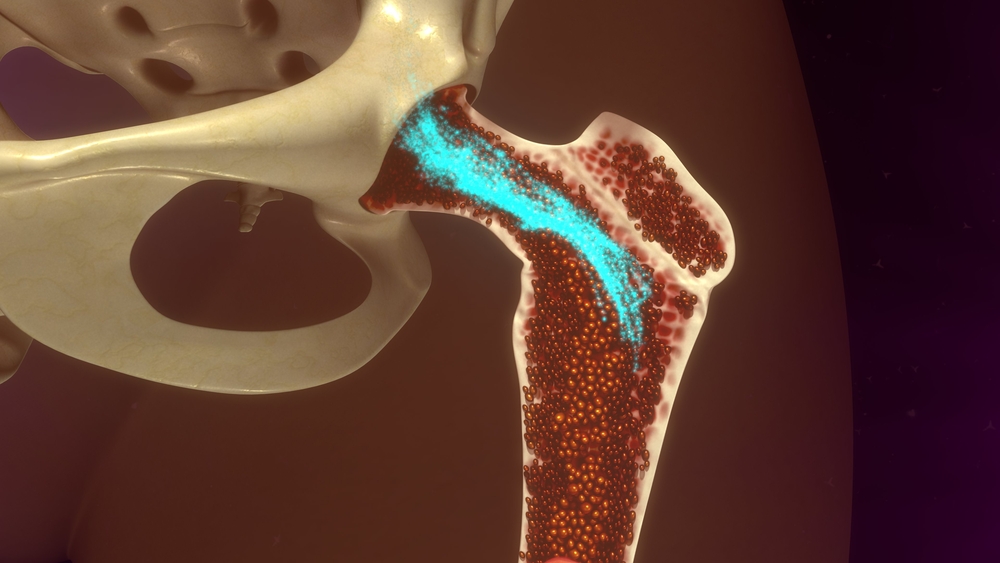
A bone marrow transplant, or haematopoietic stem cell transplant, is a procedure in which the patient's diseased blood-forming system is replaced with healthy stem cells. High-dose chemotherapy (sometimes with radiation) first destroys the tumour cells; stem cells are then infused into a vein and rebuild blood formation and immunity.
BMT is used for acute and chronic leukemias, lymphomas, multiple myeloma, myelodysplastic syndrome, aplastic anaemia and some inherited blood and immune disorders. To learn how the disease shows in tests, read Blood tests in leukemia.
Types of transplant
- Autologous — the patient receives their own stem cells collected in advance. Most often used for myeloma and lymphomas.
- Allogeneic from a related donor — the donor is a matched brother or sister.
- Allogeneic from an unrelated donor — a donor is found in international registries; the search usually takes from a few weeks to three months.
- Haploidentical — from a half-matched relative (a parent or child) when no fully matched donor is available.

How the transplant is done
- Assessment of the patient and donor, HLA typing.
- Stem cell collection — usually from the blood on a cell separator, less often from the pelvic bone under anaesthesia.
- Conditioning — a course of chemotherapy before the transplant.
- Infusion — looks like an ordinary transfusion.
- Engraftment — 2–4 weeks in a sterile room with protection from infections.
- Follow-up — after an allogeneic transplant the patient usually stays near the clinic for up to 3–4 months.
The main risks are infections, bleeding and, after an allogeneic transplant, graft-versus-host disease. This is why the centre's experience matters.
How to choose a clinic
- Does the clinic have its own haematology-oncology and transplant unit?
- How many transplants does the centre perform a year, and does it offer the type you need?
- Does the clinic have access to international donor registries?
- Is the centre JACIE- or JCI-accredited?
- What are the results for your specific diagnosis? Success depends on the disease, its stage and age, so there is no single “cure rate”.
Where bone marrow transplants are performed
Germany
German university hospitals have long experience with BMT, work closely with research centres, and the country runs one of the world's largest donor registries. It is the most expensive option.
Israel
Israeli centres are known for strong haematology-oncology and fast organisation for international patients: it usually takes about a week from the first request to arrival.
Turkey
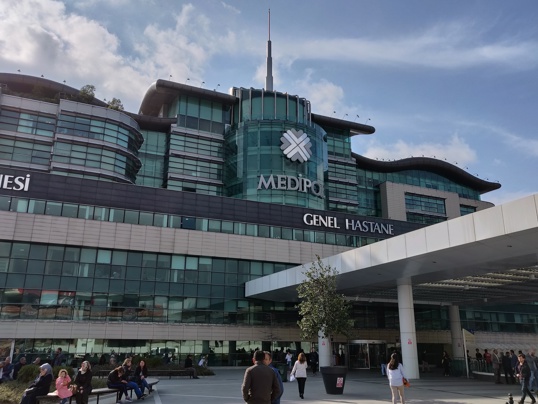
Private JCI-accredited hospitals follow international protocols, and prices are several times lower than in Germany or Israel. Convenient flights are another advantage.
South Korea
Bone marrow transplants have been performed in Korea since the 1980s; large university hospitals combine extensive experience with modern equipment.
India
The most affordable option: large accredited hospitals offer autologous transplants from roughly USD 30,000.
How much does a bone marrow transplant cost
Approximate prices quoted by partner clinics (they change, so ask for a current quote in your request):
- Turkey: autologous — from €26,500, related donor — from €38,500, unrelated donor — from €58,000, haploidentical — from €79,000.
- Israel: autologous — about €68,000, related donor — about €158,000, unrelated donor — about €177,000.
- Germany: €100,000 to €200,000 depending on the type of transplant.
- India: autologous — from USD 30,000.
What the cost depends on
- the country and clinic;
- the diagnosis, stage, the patient's condition and other illnesses;
- the type of transplant and whether a related donor is available — a registry search is paid separately;
- complications that may prolong the hospital stay.
What a programme usually includes
- assessment of the patient and donor;
- stem cell collection;
- conditioning and the transplant itself;
- hospital stay in a sterile room;
- an interpreter and coordinator support.
Accommodation and meals for accompanying persons are usually paid separately.
Frequently asked questions
Is it painful to be a donor?
In most cases cells are collected from a vein, as in plasma donation. Collection from the bone is done under anaesthesia, and the donor recovers within a few days.
How long does treatment take?
An autologous transplant takes about 4–6 weeks; an allogeneic one takes 3–4 months including follow-up.
What if there is no matched donor in the family?
The clinic searches international registries or offers a haploidentical transplant from a half-matched relative. See clinics in the haematology-oncology section.
Need an exact cost and a list of clinics for your diagnosis? Send a request — Clinics Direct coordinators will forward your medical records to several centres and obtain treatment plans with prices, free of charge.
