
What hepatology is and what a hepatologist treats: hepatitis, cirrhosis, fatty liver disease and liver cancer. Diagnosis without a biopsy and modern hepatitis treatment. We explain when to see a doctor, which tests are needed and how liver diseases are treated abroad.
What is hepatology
Hepatology is the branch of medicine that deals with the liver, gallbladder and bile ducts — their diseases, diagnosis and treatment. It grew out of gastroenterology. A hepatologist is a gastroenterologist or infectious disease doctor who specialises in liver conditions.
What a hepatologist treats
- viral hepatitis A, B, C, D and E;
- fatty liver disease — metabolic (non-alcoholic) and alcohol-related;
- autoimmune hepatitis, primary biliary cholangitis, primary sclerosing cholangitis;
- drug-induced and toxic liver injury;
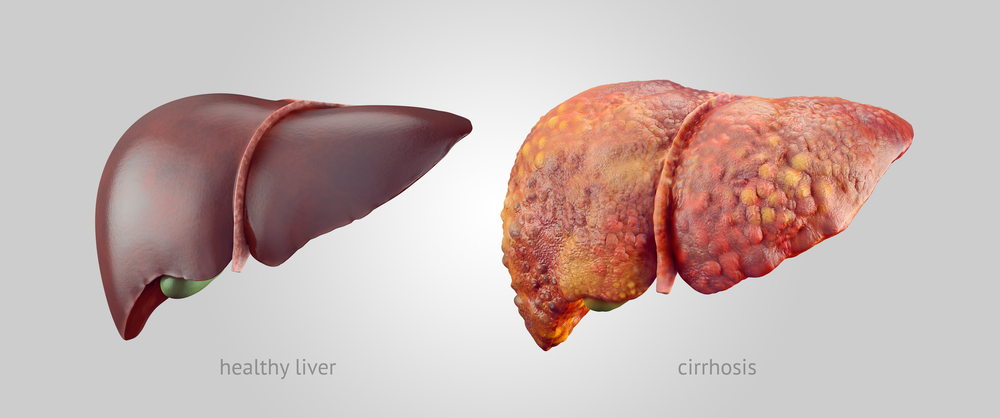
- liver fibrosis and cirrhosis and their complications;
- inherited conditions — haemochromatosis, Wilson disease;
- liver tumours, including hepatocellular carcinoma;
- care before and after a liver transplant.
When to see a hepatologist
- yellowing of the skin and eyes, dark urine, pale stools;
- heaviness or pain under the right ribs, itching, constant tiredness;
- raised ALT, AST, bilirubin, GGT or alkaline phosphatase in blood tests;
- an enlarged liver, fatty changes or lesions on ultrasound;
- antibodies to hepatitis B or C virus;
- a swollen abdomen, swollen legs, easy bruising.
Hepatitis: what it is and the main types
Hepatitis is inflammation of the liver. It is most often caused by viruses, less often by alcohol, medicines, metabolic disorders or autoimmune processes. Chronic hepatitis is dangerous because it can go unnoticed for years and then lead to cirrhosis and liver cancer.
| Virus | How it spreads | Becomes chronic? | Vaccine |
| Hepatitis A | contaminated water and food | no | yes |
| Hepatitis B | blood, sex, mother to child | in 5% of adults and up to 90% of infants | yes |
| Hepatitis C | blood | in about 70% of those infected | no |
| Hepatitis D | blood, only together with hepatitis B | yes | hepatitis B vaccine protects |
| Hepatitis E | contaminated water and food | rarely | not available everywhere |
The WHO estimates that about 254 million people live with chronic hepatitis B and about 50 million with hepatitis C, and most of them do not know it. That is why every adult should be tested for hepatitis B and C at least once.
How liver diseases are diagnosed
- Blood tests: ALT, AST, bilirubin, GGT, alkaline phosphatase, albumin, clotting, full blood count.
- Virus tests: HBsAg and hepatitis C antibodies; if positive, PCR with viral load and genotype.
- Abdominal ultrasound.
- Elastography (FibroScan) and FibroTest — measure fibrosis without a needle and replace biopsy in most cases.
- Contrast CT and MRI and an alpha-fetoprotein test — for liver lesions.
- Liver biopsy — when other methods cannot clarify the diagnosis.
How hepatitis and other liver diseases are treated
Hepatitis C
Hepatitis C is now curable. Direct-acting antiviral tablets (sofosbuvir with velpatasvir, glecaprevir with pibrentasvir) clear the virus in more than 95% of patients within 8–12 weeks. The interferon-based regimens used in the past are no longer needed.
Hepatitis B
Hepatitis B virus can rarely be eliminated completely, but nucleoside analogues (tenofovir, entecavir) reliably suppress it, stop liver damage and lower the risk of cirrhosis and cancer. Treatment is usually long-term.
Fatty liver disease
The basis of treatment is losing 7–10% of body weight, physical activity, control of blood sugar and cholesterol, and avoiding alcohol. Drug therapy is used when fibrosis is significant.
Cirrhosis and liver cancer
In cirrhosis, doctors treat the cause and prevent complications — bleeding, ascites, encephalopathy. Liver tumours are treated with resection, ablation, chemoembolisation, radioembolisation (SIRT), immunotherapy and targeted drugs. In severe liver failure the only option is a liver transplant.
Hepatology abroad
In clinics in Germany, Israel, Turkey and Spain a patient completes a full liver work-up in 2–3 days — from blood tests and elastography to MRI — and receives a treatment plan prepared by a hepatologist, a surgeon and an oncologist. Modern antiviral drugs, minimally invasive treatment of liver tumours and liver transplantation, including from a living related donor, are available there.
Frequently asked questions
How does a hepatologist differ from a gastroenterologist?
A gastroenterologist treats all digestive organs; a hepatologist focuses on the liver and bile ducts.
Can hepatitis C be cured completely?
Yes, in more than 95% of cases. Treatment does not give immunity, so reinfection is possible.
Does hepatitis spread through everyday contact?
Hepatitis B and C do not spread through dishes, hugs or handshakes. Infection happens through blood: non-sterile instruments, shared razors, manicure tools; hepatitis B also spreads through sex.
Is a liver biopsy necessary?
In most cases no: fibrosis is assessed with elastography and blood tests.
Need a consultation with a hepatologist abroad? Send a request — Clinics Direct coordinators will help you choose a clinic and obtain a diagnostic and treatment plan with prices, free of charge.
