
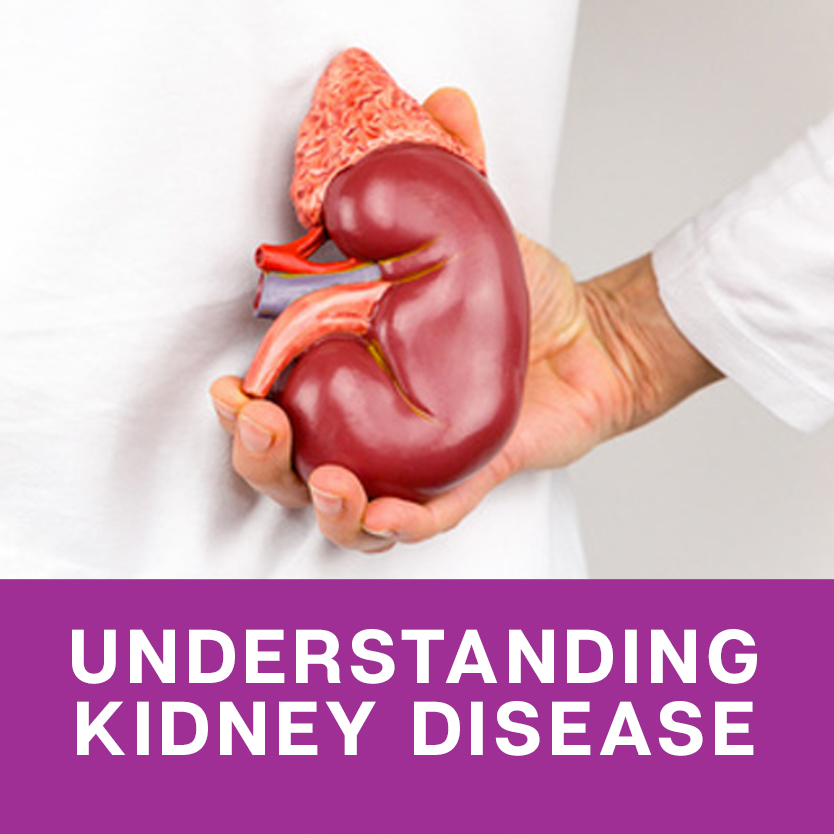
Kidney cancer tumour markers: is there a blood test for kidney cancer, which values doctors check, how the diagnosis is made and how molecular markers help. We also describe a Spanish study that makes it possible to predict who will benefit from targeted therapy.
Is there a tumour marker for kidney cancer?
There is still no reliable tumour marker that detects kidney cancer in a blood test. Common markers such as CEA, CA 19-9, CA 125 and AFP usually stay normal in kidney tumours, so they are not used for screening or diagnosis. More than half of kidney tumours are now found by chance on an ultrasound or CT scan done for another reason.
Which tests are done when kidney cancer is suspected
Blood and urine tests do not confirm the diagnosis, but they show how the kidneys work and how active the disease is:
- full blood count — haemoglobin, neutrophils, platelets;
- creatinine and glomerular filtration rate — kidney function before surgery and contrast imaging;
- calcium, LDH, C-reactive protein, alkaline phosphatase;
- urinalysis — blood in the urine.
Haemoglobin, calcium, neutrophils, platelets and LDH are part of the international prognostic scores for metastatic kidney cancer: doctors use them to assess the outlook and choose treatment.
How the diagnosis is made
- kidney ultrasound — the first test that shows a mass;
- contrast-enhanced CT — the main method: it shows the size of the tumour and its relation to vessels and lymph nodes;
- MRI — when CT contrast cannot be used or the vessels need a closer look;
- biopsy — not always: it is done before drug treatment or ablation, or when the diagnosis is uncertain;
- chest CT — to look for metastases.
Molecular and genetic markers
In kidney cancer, markers are looked for in the tumour itself and in the patient's genes rather than in the blood.
- Hereditary syndromes. In kidney cancer at a young age, tumours in both kidneys or a family history, the VHL, FLCN, FH, MET, TSC1 and TSC2 genes are tested.
- Tumour molecular profile. It helps to define the cancer type and choose drugs.
- Markers under development. The KIM-1 protein, carbonic anhydrase IX and tumour DNA in the blood are being studied but are not yet part of routine practice.
The Spanish study: who will benefit from targeted therapy
Researchers at the HM CIOCC Clara Campal Comprehensive Cancer Centre in Madrid, led by Dr Jesús García-Donas, published in the International Journal of Cancer the results of work that took more than ten years. They identified molecular markers pointing to patients who are particularly sensitive to rapalogs — drugs that inhibit the mTOR protein.
The study analysed 115 cases from 23 hospitals in Spain and Belgium. It was supported by the research foundation of the HM Hospitales group together with the Spanish National Cancer Research Centre (CNIO) and the Spanish Oncology Genitourinary Group (SOGUG).
“Our study identified a series of molecular markers able to single out kidney cancer patients who are especially sensitive to rapalogs. If this is confirmed, it will be the first form of individualised treatment for this tumour,” says Dr García-Donas. A prospective clinical trial is planned to confirm the result.
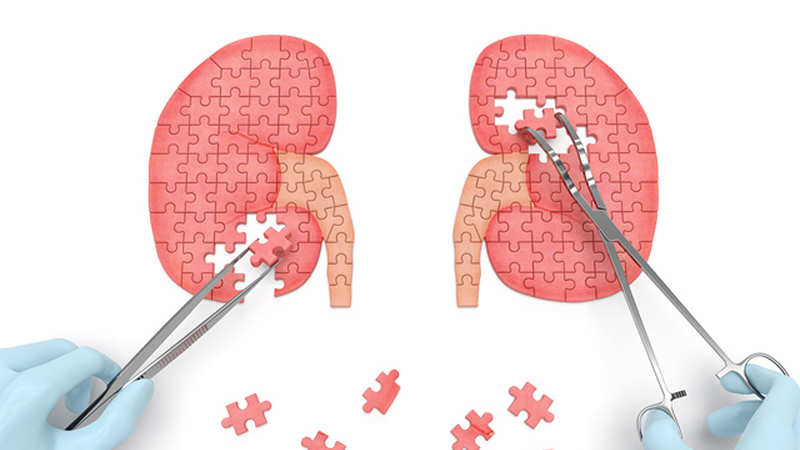
How kidney cancer is treated
- Surgery — partial nephrectomy that preserves the kidney, or nephrectomy, usually laparoscopic or robot-assisted;
- ablation or active surveillance — for small tumours in elderly patients;
- targeted therapy — tyrosine kinase inhibitors and mTOR inhibitors;
- immunotherapy — alone or combined with targeted drugs in advanced cancer.
Chemotherapy and conventional radiotherapy are of little use in kidney cancer.
Frequently asked questions
Can kidney cancer be detected by a blood test?
No. Blood tests can be normal even with a large tumour. The diagnosis is made with ultrasound and CT.
Which tumour markers should I have to check my kidneys?
There is no specific marker. A kidney ultrasound, urinalysis and creatinine are enough for a check; if something is found, a contrast CT is ordered.
Which doctor should I see?
A urologist or uro-oncologist. You can choose clinics in the urology and oncology sections.
Need a diagnosis or a second opinion for a kidney tumour? Send a request — Clinics Direct coordinators will help you choose a clinic and find out the cost of tests and treatment, free of charge.
