
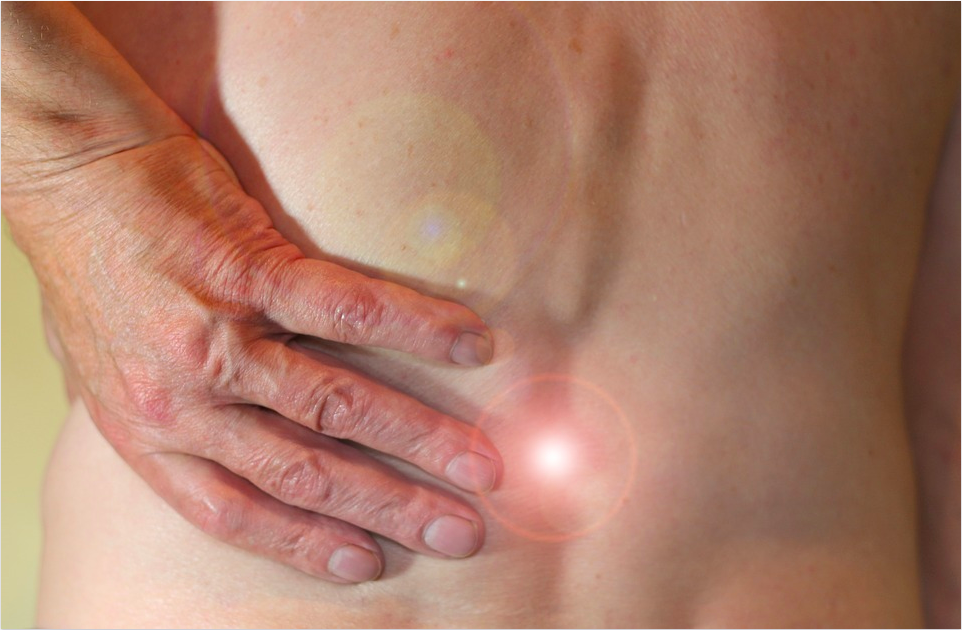
Back pain radiating to a leg or arm is often caused by a herniated intervertebral disc. In most people it settles without surgery, but sometimes an operation is necessary. We explain the symptoms, diagnosis, conservative methods and modern surgery.
What is a herniated disc
Between the vertebrae lie discs that absorb load. Each disc has a soft nucleus and a tough fibrous ring. When the ring tears, part of the nucleus bulges out and may press on a nerve root — this is a herniated disc. Discs have no blood vessels of their own and are nourished through movement, so desk work and a sedentary lifestyle speed up their wear.
Causes and risk factors
- age-related degenerative changes in the discs;
- a sedentary lifestyle and weak back muscles;
- excess weight;
- lifting heavy objects with poor technique, sudden movements;
- heavy physical work and excessive sports loads;
- spinal injuries;
- smoking and hereditary predisposition.
Symptoms
- Lumbar spine (the most common site). Lower back pain radiating to the buttock, thigh, calf or foot, numbness and tingling, weakness in the leg.
- Cervical spine. Neck pain radiating to the shoulder and arm, numb fingers, weakness in the hand.
- Thoracic spine (rare). Band-like chest pain at the level of the affected disc.
Seek urgent help if you develop urinary or bowel incontinence or retention, numbness in the saddle area, or increasing weakness in the legs: these are signs of nerve compression that requires emergency surgery.
Diagnosis
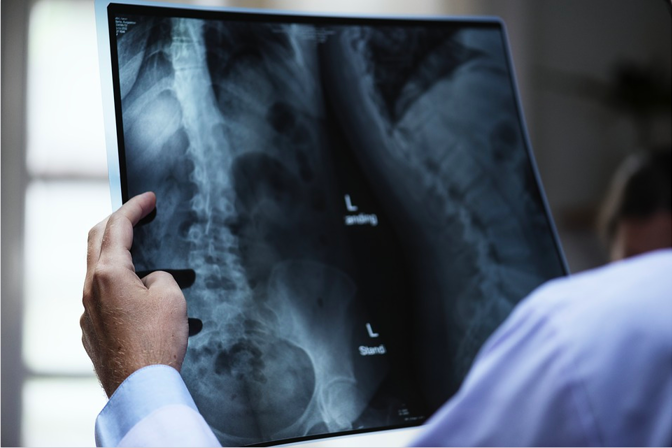
The main test is an MRI of the spine: it shows the size of the herniation and the degree of nerve compression. The doctor always compares the images with the symptoms and neurological examination, because herniations are often found in people with no symptoms at all. CT and nerve conduction studies are added if needed.
Treatment without surgery
In most patients the pain eases within 6–12 weeks without surgery, and the herniation often shrinks on its own. Conservative treatment includes:
- painkillers and anti-inflammatory medicines;
- staying moderately active rather than bed rest;
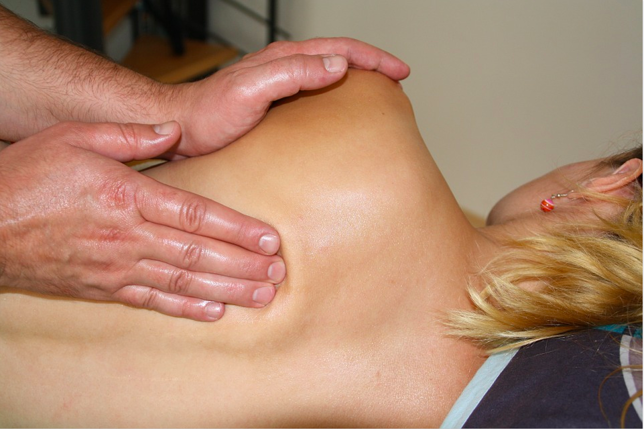
- exercise therapy and physiotherapy;
- epidural injections or nerve blocks for severe radicular pain.
When surgery is needed
- loss of bladder or bowel control (cauda equina syndrome) — an emergency;
- increasing weakness in a leg or arm;
- severe pain that does not improve after 6–12 weeks of treatment.
Types of surgery for a herniated disc
- Microdiscectomy. The gold standard: through a 2–3 cm incision and under a microscope, the surgeon removes the disc fragment pressing on the nerve. The hospital stay is 1–3 days, and patients return to office work in 2–4 weeks.
- Endoscopic discectomy. The herniation is removed through a puncture of about 1 cm using an endoscope. The muscles are barely disturbed, and the patient often goes home the next day.
- Laminectomy. Removal of part of the vertebral arch to widen the spinal canal. Performed when a herniation is combined with spinal stenosis.
- Spinal fusion or disc replacement. For spinal instability or recurrent herniations, the vertebrae are fixed with implants or the disc is replaced with an artificial one.
- Laser vaporisation and nucleoplasty. Needle-based methods that reduce pressure inside the disc. They are used only for small contained herniations; there is less evidence for them than for microdiscectomy.
- Radiofrequency facet denervation. Does not treat the herniation but helps when the pain comes from arthritis of the facet joints.
Rehabilitation matters after surgery: exercises for the back muscles lower the risk of a recurrent herniation.
Where herniated discs are treated abroad
Disc herniations are operated on in neurosurgery and orthopaedics departments. Clinics most often chosen by Clinics Direct patients include the Solingen academic hospital (Germany), the Medicana hospital group (Turkey) and HM Hospitales (Spain).
Frequently asked questions
Can a herniated disc heal on its own?
Yes, in many people the bulge shrinks over time and the pain goes away within weeks or months.
Is spine surgery dangerous?
Microdiscectomy is one of the best-established operations with a low complication rate. The surgeon discusses the risks (infection, recurrent herniation) in advance.
How long does recovery take?
You can walk on the day of surgery or the next day; physical loads are reintroduced gradually over 6–12 weeks.
Want a second opinion on your MRI and a price comparison? Send a request — Clinics Direct coordinators will pass your records to surgeons and send you treatment plans, free of charge.
