
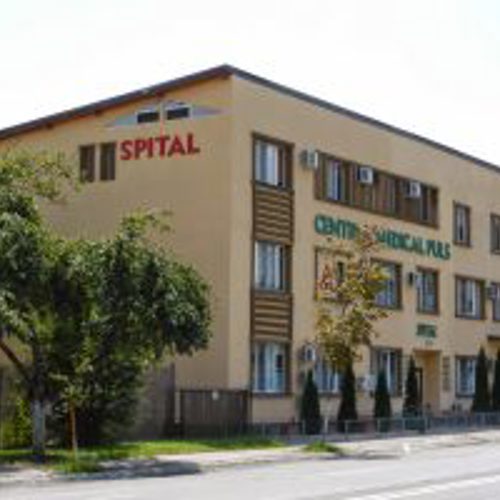
Spital Puls is a private multidisciplinary hospital in Târgu Mureș, Romania, within the Regina Maria healthcare network. Its outpatient services cover…
Details
Rheumatology assesses and treats diseases affecting joints, muscles and connective tissues, including inflammatory arthritis and systemic autoimmune conditions. Examples include rheumatoid and psoriatic arthritis, ankylosing spondylitis, lupus, systemic sclerosis and vasculitis. Rheumatologists also manage crystal-related disease such as gout. Some conditions affect organs as well as joints, so an assessment considers the whole pattern of symptoms rather than joint pain alone.
The aim is to establish the diagnosis, assess disease activity and protect everyday function through an appropriate treatment and monitoring plan. Tests are chosen according to the suspected condition; an abnormal antibody result does not by itself confirm an autoimmune disease. Before a consultation abroad, send previous laboratory results, imaging and details of medicines already tried, including their effects and adverse reactions. Explain how symptoms affect sleep, movement, work or self-care. Ask which treatment options suit your diagnosis, what safety checks they require and how prescriptions and follow-up will continue after returning home.








| Operation | Price |
|---|---|
| €5200 - €7600 | |
| €17000 - €36200 | |
| €10000 - €11200 | |
| Rhinoplasty (nose job) | €4700 - €5100 |
| Liposuction | €3300 - €4000 |
| €2700 - €3300 | |
| Kidney transplant | €31000 - €45000 |
| Chemotherapy | €2500 - €3500 |
Persistent joint swelling, morning stiffness, unexplained inflammatory symptoms or suspected connective tissue disease may lead to a rheumatology referral. The history and examination help distinguish inflammatory disease from other causes of pain. Skin changes, eye symptoms, muscle weakness and organ problems may be relevant, depending on the condition.
Blood tests can support assessment but need clinical interpretation. A positive antinuclear antibody test does not automatically mean lupus; rheumatoid arthritis can occur with negative rheumatoid factor or other normal results. Ultrasound, X-rays, MRI or examination of joint fluid may be useful for a particular question. There is no single comprehensive panel that diagnoses every rheumatic disease.
For inflammatory arthritis, treatment may include disease-modifying medicines, with biologic or other targeted treatment selected when appropriate. The aim is to control inflammation and reduce the risk of damage, while considering safety and the person's priorities. Response varies and the plan may need adjustment.
Gout requires a different approach, addressing attacks and, when indicated, long-term urate control. Lupus and vasculitis treatment depends on disease activity and which organs are involved. Medicines that suppress immune activity require appropriate infection screening and monitoring. Discuss vaccinations, other illnesses and pregnancy plans before changes in treatment.
Movement, physiotherapy and occupational therapy may support function alongside medical care. Rehabilitation can address daily tasks and joint protection. Selected people with structural damage or persistent disability may need an orthopedic opinion; surgery is not required for every painful joint.
Request a written plan and an estimate that distinguishes consultation, investigations, medicines and follow-up. Do not stop prescribed treatment independently. A suddenly painful, hot, swollen joint, especially with fever or feeling unwell, needs urgent assessment because infection is a possible cause.
No. The specialist interprets the result alongside symptoms, examination and other investigations.
No. Choice depends on the diagnosis, disease activity, previous treatment and safety considerations.
No. Relieving symptoms does not necessarily control the underlying inflammatory disease. Ask what each medicine is intended to do.
No. Many conditions and treatments need continuing review of symptoms, function, disease activity and possible adverse effects.







| Operation | Price |
|---|---|
| Rhinoplasty (nose job) | |
| Liposuction | |
| Liver transplant | $128000 - $135000 |
| Chemotherapy | $1200 - $3200 |
| Brachytherapy | |
| CyberKnife | |
| High intensity focused ultrasonic ablation (HIFU) | $27000 - $30000 |








| Operation | Price |
|---|---|
| Heart Valve Replacement | |
| Rhinoplasty (nose job) | |
| Liposuction | |
| Chemotherapy | $1000 |

| Operation | Price |
|---|---|
| Hip replacement |







| Operation | Price |
|---|---|
| Chemotherapy | $1100 - $1700 |
| $18000 - $22000 | |
| Radiotherapy | $2400 - $5800 |
| $5000 - $5500 | |
| $14000 - $17000 | |
| $20000 - $25000 | |
| Lung cancer surgery | $20000 - $35000 |
| Hip replacement | $18000 - $22000 |







| Operation | Price |
|---|---|
| Myomectomy (removal of uterine fibroids) | |
| Rhinoplasty (nose job) | |
| Liposuction | |
| Chemotherapy | |
| $10600 - $15000 | |
| $12000 - $18000 | |

| Operation | Price |
|---|---|
A medical coordinator will review your case free of charge and send you 3 treatment options with prices within 1–5 business days.
 We arrange treatment abroad: choosing a clinic and a doctor, with full support along the way.
Free, via messenger. No calls if you prefer.


