
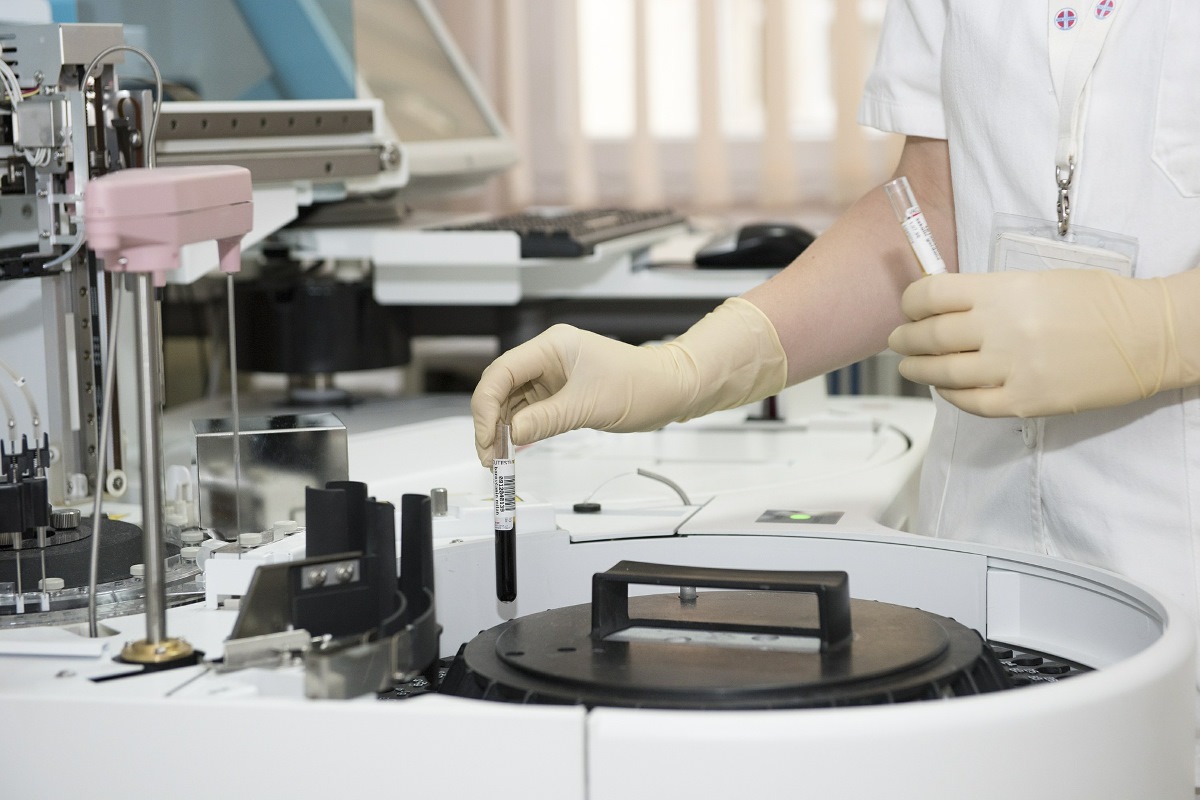
Hodgkin lymphoma is a cancer of the lymphatic system that is now among the most curable tumours: most patients recover. We explain the symptoms, stages, diagnosis and modern treatment methods.
What is Hodgkin lymphoma
It is a tumour of the lymphatic system that develops from B lymphocytes and usually starts in the lymph nodes of the neck or chest. The disease has two peaks — in young people aged 15–35 and after 55; men are affected slightly more often. Other types of lymphoma are called non-Hodgkin lymphomas and are treated differently.
The exact cause is unknown. The risk is higher after Epstein-Barr virus infection (infectious mononucleosis), with a weakened immune system (HIV, after organ transplantation), autoimmune diseases, and Hodgkin lymphoma in close relatives.
Symptoms
- painless swelling of lymph nodes in the neck, above the collarbone or in the armpits;
- fever with no obvious cause;
- drenching night sweats;
- loss of more than 10% of body weight in six months;
- itchy skin, fatigue;
- cough, shortness of breath, chest pain — when the nodes in the chest are enlarged;
- pain in the lymph nodes after drinking alcohol (a rare but typical sign).
Fever, night sweats and weight loss are called B symptoms — they are taken into account when choosing treatment.
Stages of Hodgkin lymphoma
- Stage I — one group of lymph nodes is affected;
- Stage II — two or more groups on the same side of the diaphragm;
- Stage III — nodes on both sides of the diaphragm, possibly with the spleen;
- Stage IV — organs outside the lymphatic system are involved: liver, lungs, bone marrow.
Letters are added to the stage: A — no general symptoms, B — B symptoms present, E — spread to a neighbouring organ, X — bulky disease. Unlike most tumours, even stage IV Hodgkin lymphoma is often curable.
Diagnosis
- Lymph node biopsy with histology and immunohistochemistry — the only way to confirm the diagnosis. The whole node should preferably be removed.
- PET-CT — defines the stage and, after a few cycles of chemotherapy, shows how the tumour is responding.
- Blood tests: full blood count, ESR, LDH, liver and kidney function.
- Heart and lung assessment before chemotherapy.
Treatment methods
- Chemotherapy — the backbone of treatment. Standard regimens are ABVD and the more intensive BEACOPP; the number of cycles depends on the stage and the interim PET-CT result.
- Radiotherapy — only the involved sites are irradiated, mainly in early stages or bulky disease.
- Targeted therapy — brentuximab vedotin, an antibody that delivers a cytotoxic drug directly to tumour cells.
- Immunotherapy — PD-1 inhibitors (pembrolizumab, nivolumab), particularly effective in relapse.
- High-dose chemotherapy with an autologous stem cell transplant — the standard for relapse or an inadequate response to first-line treatment.
Removal of the spleen, once done for staging, is no longer needed — PET-CT has replaced it. Because patients are often young, fertility preservation should be discussed before treatment.
Prognosis
According to the SEER registry, five-year relative survival for Hodgkin lymphoma is about 89%, and above 90% in early stages. After treatment, patients are followed for years: doctors watch both for relapse and for late effects of therapy on the heart, lungs and thyroid.
Why patients choose treatment abroad
- pathology review in a reference laboratory — the whole treatment plan depends on an accurate diagnosis;
- PET-adapted therapy, in which treatment intensity is reduced or increased according to the interim scan;
- access to targeted and immune drugs and to transplantation in relapse;
- a second opinion from a haematologist-oncologist before travelling.
See clinics in the haematology-oncology section.
Frequently asked questions
Can Hodgkin lymphoma be cured completely?
Yes, in most patients treatment leads to lasting remission equivalent to a cure.
How long does treatment take?
Usually 2 to 6 months depending on the stage; chemotherapy is mostly given on an outpatient basis.
What if the disease comes back?
The chances of cure remain even in relapse: high-dose chemotherapy with a transplant, targeted drugs and immunotherapy are used.
Need a second opinion or a treatment plan for Hodgkin lymphoma? Send a request — Clinics Direct coordinators will forward your records to clinics and obtain offers with prices, free of charge.
