Medical coordinators available 24/7 · free consultation
Free consultation

A powered exoskeleton is an external device that assists movement of weakened or paralysed legs. In rehabilitation, selected patients practise standing, weight shifting and walking with support from trained staff. The appropriate device and programme depend on the neurological condition, physical capacity and safety assessment. Moving while wearing an exoskeleton does not mean that a person will regain independent walking without it, and the device does not repair an injured spinal cord.

Patients may consider rehabilitation abroad to obtain a specialist assessment and access a suitable training programme. Ask which model is used, its intended indications and how progress will be measured outside the device. ReWalk, HAL and Ekso have different controls and requirements; their names should not be treated as interchangeable. A written proposal should include screening, supervised sessions, other rehabilitation, assistance with daily needs and a plan for continuing care at home.

Showing 10 of 15
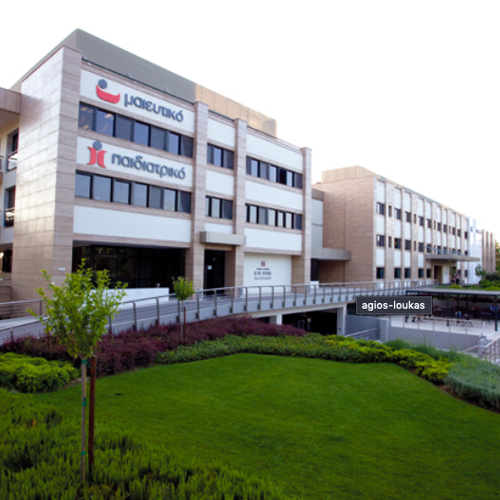
St. Luke’s Hospital is a private multidisciplinary hospital at 1 Charilaou Trikoupi in Panorama, Thessaloniki. Its departments include neurology, functional neurosurgery… Details
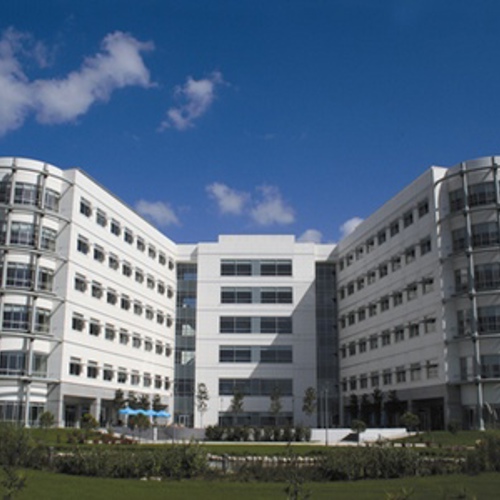
Anadolu Medical Center is a multispecialty hospital in Gebze, Kocaeli, with a separate outpatient centre in Ataşehir, Istanbul. Its services include… Details
Ahmet Nadir Tosyali
Ahmet Nadir Tosyali Pediatric oncology Urology
Semih Aki
Semih Aki Rehabilitation
Mustafa Kazkayasi
Mustafa Kazkayasi Otorhinolaryngology
Enes Murat Atasoyu
Enes Murat Atasoyu Nephrology
Operation Price
Heart Valve Replacement
$15000 - $17000
Myomectomy (removal of uterine fibroids) $9400
Rhinoplasty (nose job)
Liposuction
$4000 - $5000
Liver transplant $80000 - $85000
Chemotherapy $800 - $4170
Do not want to compare clinics yourself?

Leave your phone number — a medical coordinator will send the 3 best options for your diagnosis. Free of charge.

Defining a realistic goal

Exoskeleton-assisted training may be considered for selected people with weakness after spinal cord injury, stroke or another neurological condition, depending on the device's indications. Goals can include practising supported steps, tolerating upright activity or improving specific walking tasks. The team should distinguish performance in the equipment from walking ability without it. No programme can guarantee recovery of independent walking.

Ask how the sessions fit within rehabilitation, including strengthening, balance, transfers and everyday mobility. A wheelchair or other aids may remain necessary. Evidence from one diagnosis, model or short training course cannot automatically predict an individual's long-term outcome.

Screening before travel

Provide neurological reports, previous rehabilitation assessments, fracture history and information about skin problems. Screening considers bone strength, joint movement, muscle stiffness, body dimensions, balance and tolerance of standing. Arm strength and the ability to use walking aids matter for some models. Heart or breathing limitations and the ability to follow safety instructions also require assessment.

Confirm suitability before paying for a course. Height and weight limits, required assistance and permitted environments depend on the exact equipment. A clinical training system is not automatically suitable for use at home.

What happens during training

Trained staff fit the device, check alignment and skin contact, and adjust the assistance. Practice progresses according to the person's condition and may involve a walker, crutches or other support. Different systems respond to different sensors or control signals. Sessions include preparation and safety checks, so appointment length is not the same as active walking time.

Staff monitor symptoms and fatigue. Regular reviews should measure agreed goals and decide whether to adapt or continue the programme. Request advice about activity between sessions and follow-up after returning home.

Risks and costs

Potential problems include falls, fractures, skin pressure injuries, joint or soft tissue strain and dizziness related to standing. Report pain, new swelling, skin damage or feeling faint immediately. Training should stop for assessment when a safety concern arises.

The estimate should separate assessment, therapist support, device sessions, other therapy, accommodation and equipment needs. Buying a personal device is a separate decision requiring training and support arrangements.

FAQ

Will it cure paralysis?

No. It assists movement and may support rehabilitation goals.

Are all exoskeletons interchangeable?

No. Indications, controls, fitting and supervision differ.

Is more training always better?

No. Intensity should follow safety, tolerance and measured progress.

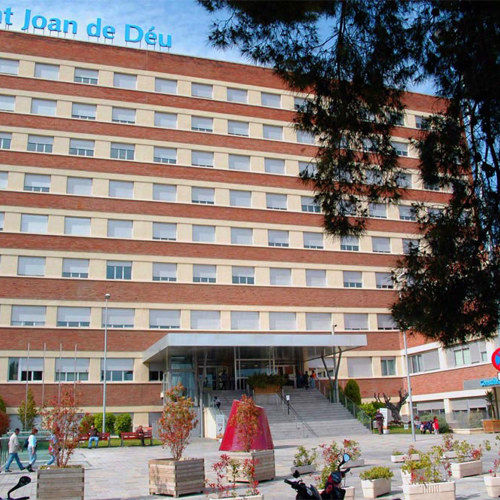
SJD Barcelona Children’s Hospital provides specialist paediatric and maternal care in Esplugues de Llobregat, near Barcelona. It offers paediatric oncology, cardiology,… Details
Jaume Mora Graupera
Jaume Mora Graupera Pediatric oncology Hematology Oncology Oncology
Susana Rives Sola
Susana Rives Sola Hematology Oncology
Operation Price
Chemotherapy $3500 - $4000
$19900 - $20100
Immunotherapy $83000 - $86000
$4495 - $4550
$12900 - $13100
$30000
$53000 - $80000
Resection of glioma $27000 - $35000
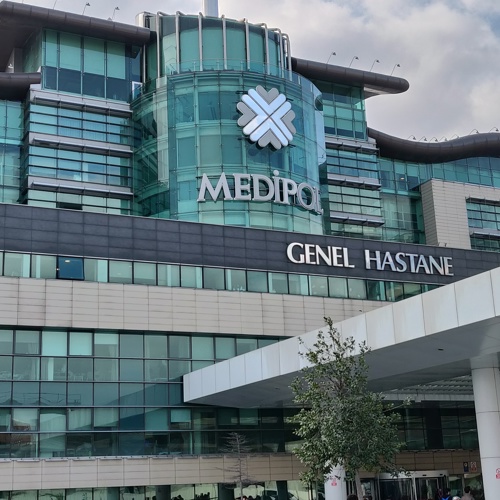
Medipol Mega University Hospital is a multidisciplinary hospital complex in Bağcılar, Istanbul. Its services include general medicine and surgery, cancer care,… Details
Naci Karacaoglan
Naci Karacaoglan Plastic Surgery Aesthetic medicine and cosmetology
Asuman Mersin Kökrek
Asuman Mersin Kökrek Neurology Orthopedics Endocrinology
Bunyamin Kaplan
Bunyamin Kaplan Oncology
Mustafa Ozdemir
Mustafa Ozdemir Dermatology Oncology
Selami Albayrak
Selami Albayrak Oncology Urology
Operation Price
$7000 - $10000
Rhinoplasty (nose job) $3500
Liposuction $2500 - $4000
Kidney transplant $25000 - $26000
Liver transplant $83000
Chemotherapy $600 - $1500
$8000
$5000 - $10000
Malvazinky Rehabilitation Clinic in Prague provides orthopaedic care, including hip and knee replacement and selected arthroscopic procedures. The clinic offers inpatient… Details
Vladislav Hospodar
Vladislav Hospodar Orthopedics
 Tomaš Vimmer
Tomaš Vimmer Orthopedics
Operation Price
Therapeutic Arthroscopy of the knee $3200 - $3500
$6000 - $7000
Shoulder replacement $6000 - $8000
Surgical treatment of scoliosis $18000 - $22000
Comprehensive rehabilitation $180 - $380
Knee replacement $9400 - $10000
Hip replacement $7000 - $8700
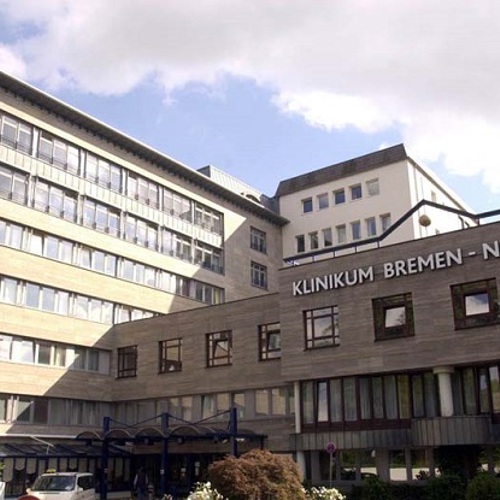
Gesundheit Nord is Bremen’s municipal hospital group. Its hospitals include Bremen-Mitte, Bremen-Nord, Bremen-Ost and Links der Weser. The address on this… Details
Arne-Joern Lemke
Arne-Joern Lemke Oncology
Klaus Luque
Klaus Luque Ophthalmology
Dieter Hammel
Dieter Hammel Heart Surgery
Mustafa Aydogdu
Mustafa Aydogdu Oncology
Carsten Michael Oberhoff
Carsten Michael Oberhoff Obstetrics and Gynecology Oncology
Dieter Ukena
Dieter Ukena Oncology
Operation Price
€5200 - €7600
€17000 - €36200
€10000 - €11200
Rhinoplasty (nose job) €4700 - €5100
Liposuction €3300 - €4000
€2700 - €3300
Kidney transplant €31000 - €45000
Chemotherapy €2500 - €3500
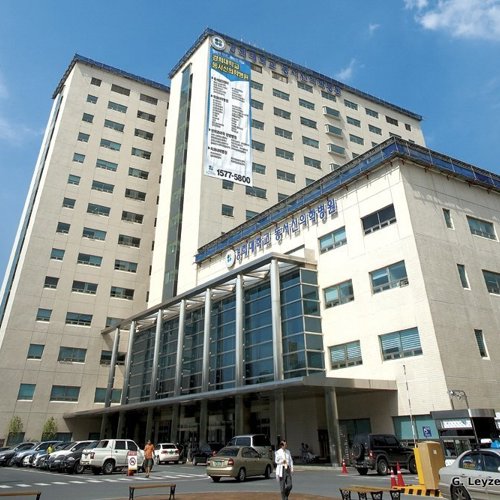
Kyung Hee University Hospital at Gangdong (KUIMS) is at 892 Dongnam-ro in Seoul. The campus has a general hospital, a Korean… Details
Jae Myung Cha
Jae Myung Cha Oncology
Suk-Hwan Lee
Suk-Hwan Lee Oncology
Lew Bark-Lynn
Lew Bark-Lynn Dermatology
Young Gyun Kim
Young Gyun Kim Ophthalmology
Ja Heon Kang
Ja Heon Kang Ophthalmology
Lee Hyung-Lae
Lee Hyung-Lae Urology
Wiener Privatklinik is a private hospital at Pelikangasse 15 in Vienna. Its clinical services include oncology, orthopaedics, internal medicine, trauma surgery… Details
Rupert Menapache
Rupert Menapache Ophthalmology
Georg Schatzl
Georg Schatzl Urology

Not sure which clinic to choose?

A medical coordinator will review your case free of charge and send you 3 treatment options with prices within 1–5 business days.

  • Free for patients
  • No obligation
  • Medical confidentiality
Urgent? Request a call — we will call back in 30 seconds.
Message a coordinator
WhatsApp Get a price