
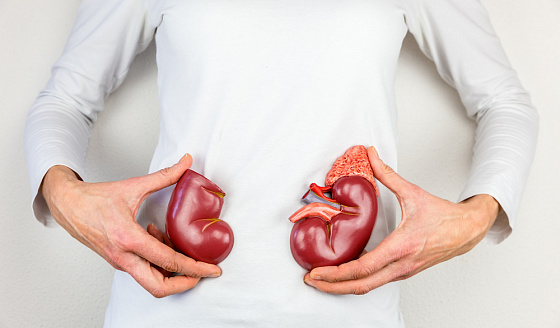

When the kidneys fail there are two options — dialysis or a transplant. Turkey is one of the countries that performs the most living-donor kidney transplants in the world. We explain who can be a donor, how to prepare, and which clinics perform the operation.
Dialysis or transplant
Chronic kidney failure develops as a result of diabetes, high blood pressure, glomerulonephritis, polycystic kidney disease, chronic pyelonephritis or congenital abnormalities. When the kidneys can no longer clean the blood, their function has to be replaced.
Haemodialysis cleans the blood with an artificial kidney machine three times a week for several hours. It sustains life but does not restore kidney function and ties the person to a dialysis centre.
A kidney transplant makes it possible to stop dialysis and return to work and normal life. Studies show that on average patients live longer after a transplant than on dialysis. After surgery, anti-rejection medicines must be taken for life.
Types of kidney transplant
- From a living related donor. The kidney works best and lasts longest — 15–20 years on average.
- From a deceased donor. The patient waits for an organ on a waiting list; such a kidney works for 10–15 years on average.
- Paired exchange. If a relative is not compatible with the patient, two donor-recipient pairs swap donors.
Requirements for international patients in Turkey
In Turkey, international patients can receive a kidney only from a living donor — a relative or spouse. The patient travels together with the donor and provides documents proving the relationship; each case is reviewed by an ethics committee. Organs from deceased donors are not allocated to international patients. Buying organs is prohibited by law.
Contraindications
- active infections, including tuberculosis;
- cancer that is untreated or was treated recently;
- severe heart or lung disease that makes surgery unsafe;
- alcohol or drug dependence;
- mental disorders that prevent adherence to treatment.
Preparation and tests
Both the recipient and the donor undergo a full assessment:
- blood group, HLA typing and cross-match;
- full blood count, biochemistry, urine tests;
- infection screening — hepatitis B and C, HIV, cytomegalovirus;
- chest X-ray or CT, abdominal ultrasound;
- ECG and echocardiography;
- gastroscopy if indicated;
- review by a cardiologist, dentist and ENT doctor, and a gynaecologist for women;
- for the donor — CT angiography of the kidneys and kidney function tests.
Some tests can be done at home and sent to the clinic in advance, which shortens the stay abroad.
The operation and recovery
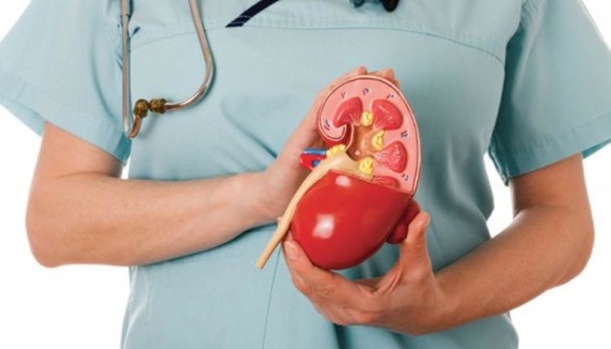
The donor's kidney is removed laparoscopically through a few small incisions; the donor stays in hospital for 3–5 days and returns to normal life within a few weeks. The recipient's new kidney is placed in the lower abdomen; the operation takes 2–4 hours and the hospital stay is 7–10 days. After discharge the patient remains in Turkey for another 2–4 weeks of follow-up while doctors adjust the immunosuppressant doses and monitor the new kidney. Follow-up then continues with a nephrologist at home.
Clinics in Turkey that perform kidney transplants
Turkish transplant centres have extensive experience specifically with living-donor transplants and work to JCI (Joint Commission International) standards. Clinics that Clinics Direct works with include:
- Medicana — a group of multidisciplinary hospitals with its own transplant centres;
- Liv Istinye — a modern university hospital in Istanbul;
- Medipol Mega University Hospital — a large multidisciplinary complex with many years of experience.
See other clinics in the transplantology section.
Frequently asked questions
Who can be a kidney donor?
A healthy adult — a relative or spouse of the patient — who is compatible by blood group and tissue antigens. A person can live a full life with one kidney.
How long do I need to stay in Turkey?
On average 4–6 weeks: assessment and ethics committee approval, the operation and follow-up after it.
How much does a kidney transplant cost in Turkey?
The price depends on the clinic, the patient's condition and the amount of preparation; a package usually covers the assessment and surgery for both donor and recipient. We will send a current quote after the medical records have been reviewed.
Get advice from a Clinics Direct specialist: send a request on the website — we will forward your records to clinics and obtain a treatment plan with a price, free of charge.
