An arrhythmia is a disorder of the heart rate or rhythm: the heart beats too fast, too slowly or irregularly. Management depends on the type of arrhythmia, symptoms and risk; options may include monitoring, medicines, devices or selected procedures such as catheter ablation.
Below are cardiology clinics abroad: compare their capabilities, doctors and prices for diagnostics and treatment.
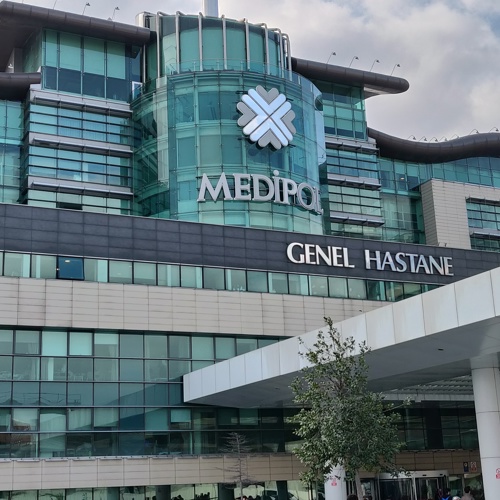
The hospital complex "Medipol University Hospital" is the largest private multidisciplinary medical center in Turkey and one of the recognized leaders…
Details
Naci KaracaoglanPlastic SurgeryAesthetic medicine and cosmetology
The Medical Park Hospital Network is a network of large multidisciplinary medical centers throughout Turkey. Branches are located in 17 cities,…
Details
Leave your phone number — a medical coordinator will send the 3 best options for your diagnosis. Free of charge.
Types of arrhythmia
Atrial fibrillation — the most common arrhythmia, which increases the risk of stroke;
supraventricular tachycardias — episodes of a fast heartbeat;
ventricular arrhythmias — range from premature beats to potentially life-threatening tachycardia or fibrillation; the type and symptoms determine urgency;
bradycardias and heart blocks — a rhythm that is too slow, often requiring a pacemaker.
Symptoms
palpitations, skipped beats or a fluttering feeling;
breathlessness, weakness, tiredness;
dizziness, near-fainting or fainting;
chest pain or discomfort.
Fainting or chest pain with an arrhythmia needs emergency medical help.
Diagnosis
ECG and 24-hour Holter monitoring;
echocardiography — to assess the heart's structure;
stress testing when an exercise-related rhythm problem is suspected; longer-term monitoring, sometimes with an implantable loop recorder, for selected infrequent episodes;
electrophysiological study — pinpoints the source of the arrhythmia;
blood tests — electrolytes, thyroid hormones.
Treatment abroad
Medication — rate or rhythm control, anticoagulants to prevent stroke in atrial fibrillation.
Electrical cardioversion — restores a normal rhythm.
Catheter ablation (radiofrequency or cryoablation) — aims to interrupt abnormal electrical signals using catheters passed through blood vessels, without open surgery; success and recurrence depend on the arrhythmia.
Pacemaker — for bradycardias and heart blocks.
Implantable defibrillator — protection against dangerous ventricular arrhythmias.
Send a request with your ECG and Holter results — Clinics Direct coordinators will obtain an electrophysiologist's opinion and treatment prices free of charge.