A herniated disk occurs when part of an intervertebral disk bulges through a damaged outer ring and may press on nerve roots. It most often affects the lower back and neck. In most patients the pain eases without surgery, and an operation is needed only for clear indications.
Below are clinics abroad that treat disk herniation: compare their capabilities, doctors and prices.
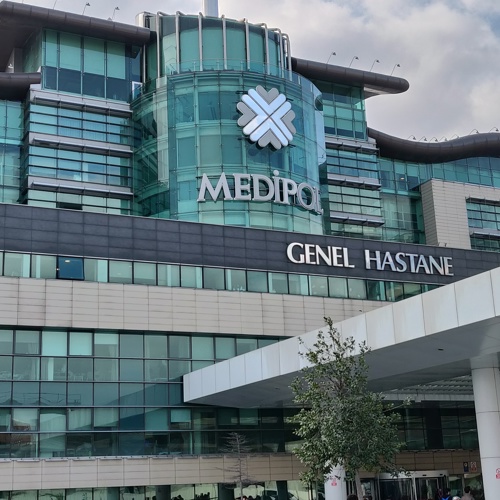
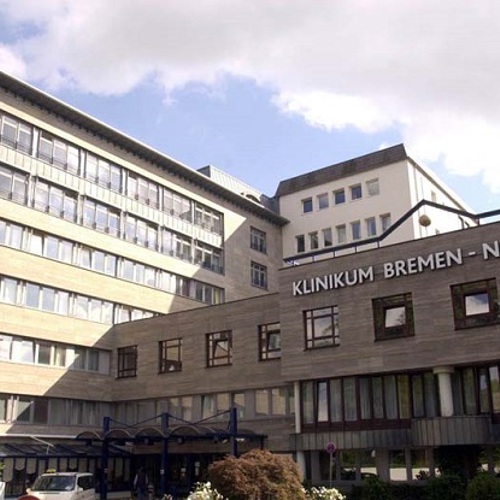
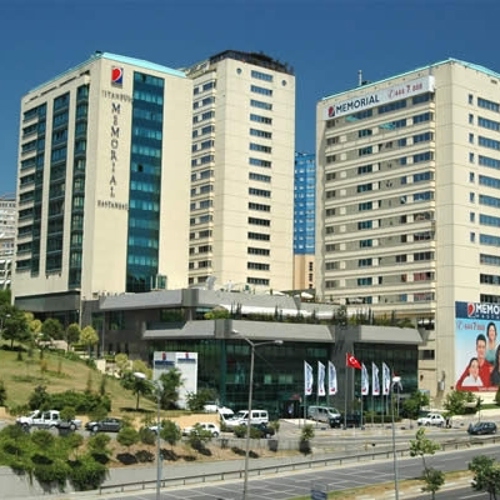
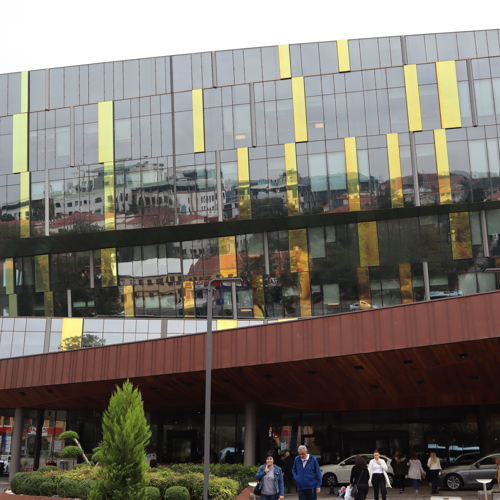
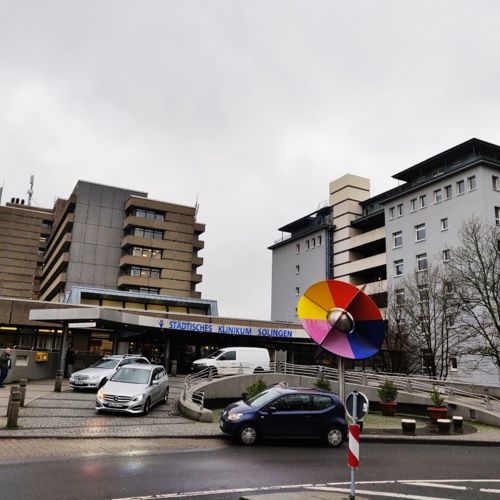
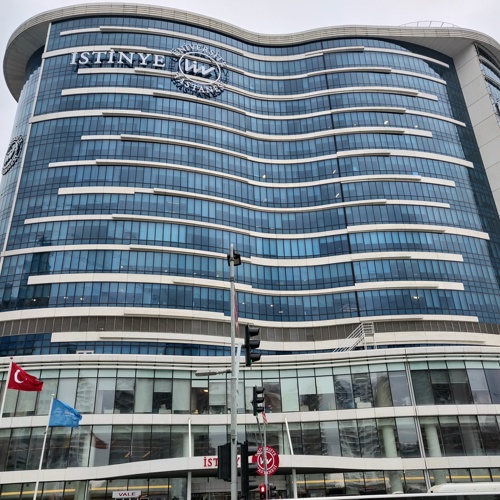
The hospital complex "Medipol University Hospital" is the largest private multidisciplinary medical center in Turkey and one of the recognized leaders…
Details
Naci KaracaoglanPlastic SurgeryAesthetic medicine and cosmetology
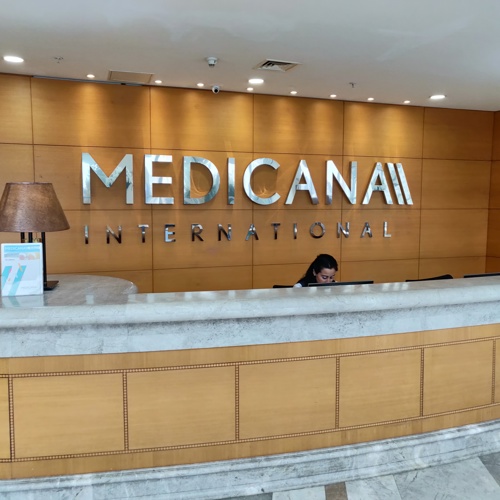
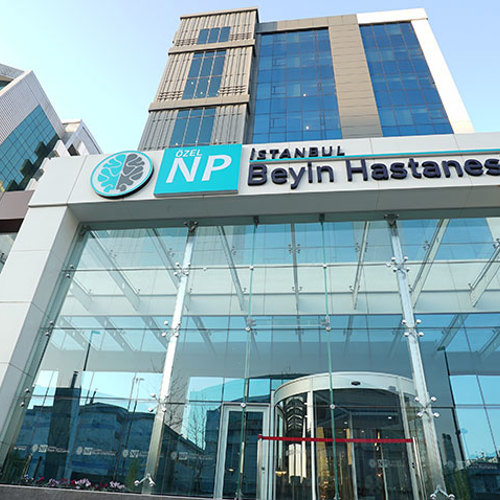
The Medical Park Hospital Network is a network of large multidisciplinary medical centers throughout Turkey. Branches are located in 17 cities,…
Details
Leave your phone number — a medical coordinator will send the 3 best options for your diagnosis. Free of charge.
Symptoms of a herniated disk
lower back — low back pain radiating to the buttock and leg (sciatica), numbness and weakness in the leg;
neck — neck pain radiating to the arm, tingling and weakness in the fingers;
thoracic spine — rare; pain in the back and along the ribs.
Seek urgent medical help if you develop problems controlling the bladder or bowel, numbness in the groin area or rapidly increasing leg weakness — these are signs of cauda equina compression that needs emergency surgery.
Causes
Disks lose elasticity with age, so a herniation often appears after awkward lifting or twisting. The risk is higher with excess weight, heavy physical work, smoking and a hereditary tendency.
A disk herniation on MRI without symptoms is common and is not in itself a reason for surgery.
Treatment abroad
Conservative treatment — pain relief, staying moderately active, physiotherapy; most people improve within 6–12 weeks.
Epidural and foraminal injections — to reduce severe radicular pain.
Microdiscectomy or endoscopic removal of the herniation — for pain that persists despite treatment and for progressive weakness; patients usually get up on the day of surgery.
Spinal fusion or disk replacement — in selected cases with instability or cervical herniations.
Rehabilitation — exercises to strengthen the back muscles and prevent recurrence.