A meningioma is a tumor that grows from the membranes covering the brain or spinal cord. It is the most common primary tumor inside the skull in adults; most meningiomas are benign and grow slowly, but pressure on the brain can still cause serious symptoms.
Below are clinics abroad that treat meningiomas: compare neurosurgical centres, doctors and prices for diagnostics, surgery and radiosurgery.
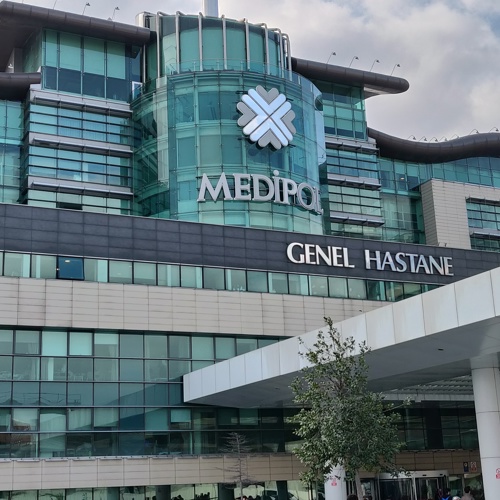
The hospital complex "Medipol University Hospital" is the largest private multidisciplinary medical center in Turkey and one of the recognized leaders…
Details
Naci KaracaoglanPlastic SurgeryAesthetic medicine and cosmetology
The Medical Park Hospital Network is a network of large multidisciplinary medical centers throughout Turkey. Branches are located in 17 cities,…
Details
Leave your phone number — a medical coordinator will send the 3 best options for your diagnosis. Free of charge.
Causes and risk factors
The exact cause of meningioma is unknown. The risk is higher after radiation to the head in the past (especially in childhood), in hereditary neurofibromatosis type 2 and with changes in chromosome 22. Meningiomas are found more often in women and in people over 50.
Symptoms of meningioma
Small meningiomas often cause no symptoms and are found by chance on an MRI. As the tumor grows, the following may appear:
headaches that get worse over time;
blurred or double vision, hearing loss;
seizures;
weakness or numbness in an arm or leg;
problems with memory or speech, changes in behaviour;
with spinal meningioma — back pain, weakness and loss of sensation in the legs.
Tumor grades
Grade 1 (about 80% of cases) — a benign, slow-growing tumor;
Grade 2 (atypical meningioma) — grows faster and comes back more often;
Grade 3 (anaplastic) — a rare malignant form that invades the brain.
The grade is set by histology of the removed tumor and decides whether radiotherapy is needed after surgery.
Diagnosis
MRIwith contrast — the main method, showing tumor size, its relation to blood vessels and brain swelling;
CT — to assess the skull bones and calcification in the tumor;
angiography — before surgery on tumors with a rich blood supply;
PET-CT with dedicated tracers — in complex cases and when recurrence is suspected.
Meningioma treatment abroad
Watchful waiting — for small tumors without symptoms, with a repeat MRI after 6–12 months.
Microsurgical removal — the main treatment; the aim is to remove the whole tumor together with the affected part of the membrane, using neuronavigation and neuromonitoring.
Radiosurgery — Gamma Knife or CyberKnife for small tumors in hard-to-reach places and for residual tumor after surgery.
Radiotherapy — for grade 2–3 meningiomas and large tumors that cannot be removed completely.
After complete removal of a grade 1 meningioma most patients recover, but follow-up MRI scans are needed for several years.