Lymphoma is a group of cancers of the lymphatic system that develop from lymphocytes. It is divided into Hodgkin lymphoma and non-Hodgkin lymphomas, which have many subtypes. Treatment depends entirely on the subtype: some lymphomas are curable, others can be controlled for a long time.
Below are hematology-oncology clinics abroad: compare their capabilities, doctors and prices for diagnostics and treatment.
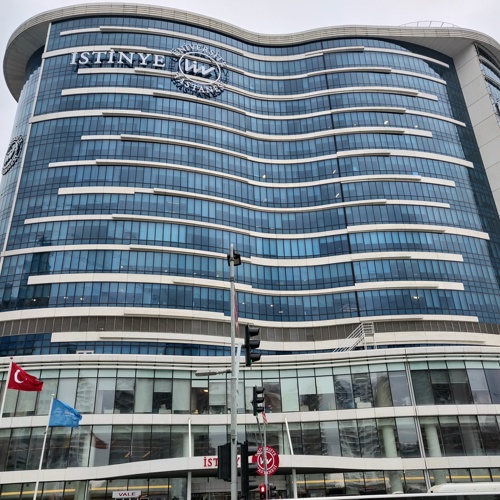
The hospital complex "Medipol University Hospital" is the largest private multidisciplinary medical center in Turkey and one of the recognized leaders…
Details
Naci KaracaoglanPlastic SurgeryAesthetic medicine and cosmetology
The Medical Park Hospital Network is a network of large multidisciplinary medical centers throughout Turkey. Branches are located in 17 cities,…
Details
Leave your phone number — a medical coordinator will send the 3 best options for your diagnosis. Free of charge.
Types of lymphoma
Hodgkin lymphoma — more common in young people and responds well to treatment.
Aggressive non-Hodgkin lymphomas (for example, diffuse large B-cell lymphoma) — grow fast but are often curable.
Indolent (slow-growing) lymphomas (follicular, marginal zone) — develop over years; treatment is sometimes not needed straight away.
T-cell lymphomas — rarer forms that need an experienced centre.
Symptoms of lymphoma
painless swelling of lymph nodes in the neck, armpits or groin;
unexplained fever, night sweats, weight loss (B symptoms);
fatigue, itchy skin;
cough or breathlessness when chest nodes are involved, abdominal pain when abdominal nodes are involved.
Diagnosis
Lymph node biopsy with immunohistochemistry and molecular tests — defines the exact subtype; review by a reference laboratory often changes the diagnosis.
PET-CT — sets the stage and assesses the response to treatment.
blood tests, LDH and, when indicated, bone marrow examination.
Lymphoma treatment abroad
Chemoimmunotherapy — chemotherapy combined with monoclonal antibodies (such as rituximab) is the backbone of B-cell lymphoma treatment.
Radiotherapy — in early stages or for residual disease.
Targeted drugs (including BTK inhibitors) — for certain subtypes.
CAR-T cell therapy and bispecific antibodies — for relapsed aggressive lymphomas.
Bone marrow transplant — high-dose chemotherapy with autologous or allogeneic transplantation in relapse.
Watchful waiting — for indolent lymphomas without symptoms.