Radiotherapy uses ionising radiation to damage cancer cells and limit their growth. Depending on the diagnosis, it can aim to cure a cancer, reduce the chance of local recurrence, control disease or relieve symptoms. It may be used alone or alongside surgery and medicines. The treatment plan is based on the tumour type, location and stage, previous treatment and the health of nearby organs; there is no single schedule suitable for every cancer.
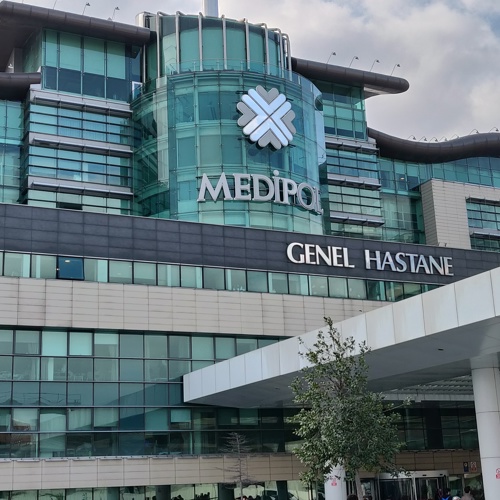
Patients considering treatment abroad should arrange review of pathology, scans and any previous radiation records. Ask which area will be treated, what the intended benefit is, and how this course fits into the wider care plan. Planning and quality checks take place before treatment begins. Accommodation, repeated visits, management of side effects and follow-up after returning home need to be organised together. A machine name or a short treatment schedule alone does not establish that a particular approach is the right choice.
Types and purposes of radiotherapy
External beam treatment directs radiation from a machine towards a defined area. Modern planning can shape the dose around the target while limiting exposure of nearby organs. Brachytherapy places a radiation source in or near tissue. Certain cancers can also be treated with radioactive medicines. These methods have different indications and precautions; they are not interchangeable options for every tumour.
The oncologist explains whether the aim is long-term cancer control or symptom relief, and whether treatment is needed before, after or alongside other care. The potential benefit is weighed against normal tissue effects. If the area has been irradiated before, the original plans and dose records are particularly important.
Planning and attending treatment
External radiotherapy commonly involves a planning CT scan, with other imaging when needed. A mask, mould or other positioning device may help reproduce the same position. The clinical team defines the target and sensitive structures, calculates the dose and checks the plan. Images during treatment help verify alignment; they are not automatically tests of whether the cancer has responded.
During a session, staff can observe and communicate with you while operating the machine from outside the room. The radiation beam itself is not felt, although lying still or using a mask may be uncomfortable. The number and spacing of sessions depend on the diagnosis, technique and treatment goal. Discuss difficulty keeping still before the course starts.
Effects and continuing care
Fatigue and skin changes may occur, while other symptoms depend on the treated area. Possible problems include mouth soreness, swallowing difficulties, nausea, bowel or bladder changes. Some effects develop late or persist. Discuss fertility, pregnancy and relevant organ risks before treatment. Report new symptoms promptly so supportive care can be adjusted.
External beam radiotherapy does not make you radioactive. Implants and radioactive medicines may require specific precautions. Follow-up includes a clinical review and appropriately timed tests; treatment effects can make early scans difficult to interpret. Obtain a course summary and clear arrangements for care at home.
Frequently asked questions
Is radiotherapy always given after surgery?
No. Its place in treatment depends on the cancer and the intended benefit.
Does a shorter course mean weaker treatment?
No. Dose per session and total treatment design differ. Suitability requires specialist assessment.
Will all my hair fall out?
Hair loss relates to the area irradiated, rather than automatically affecting the whole body.
Can side effects appear after the course ends?
Yes. Some continue after treatment or arise later, which is one reason follow-up matters.